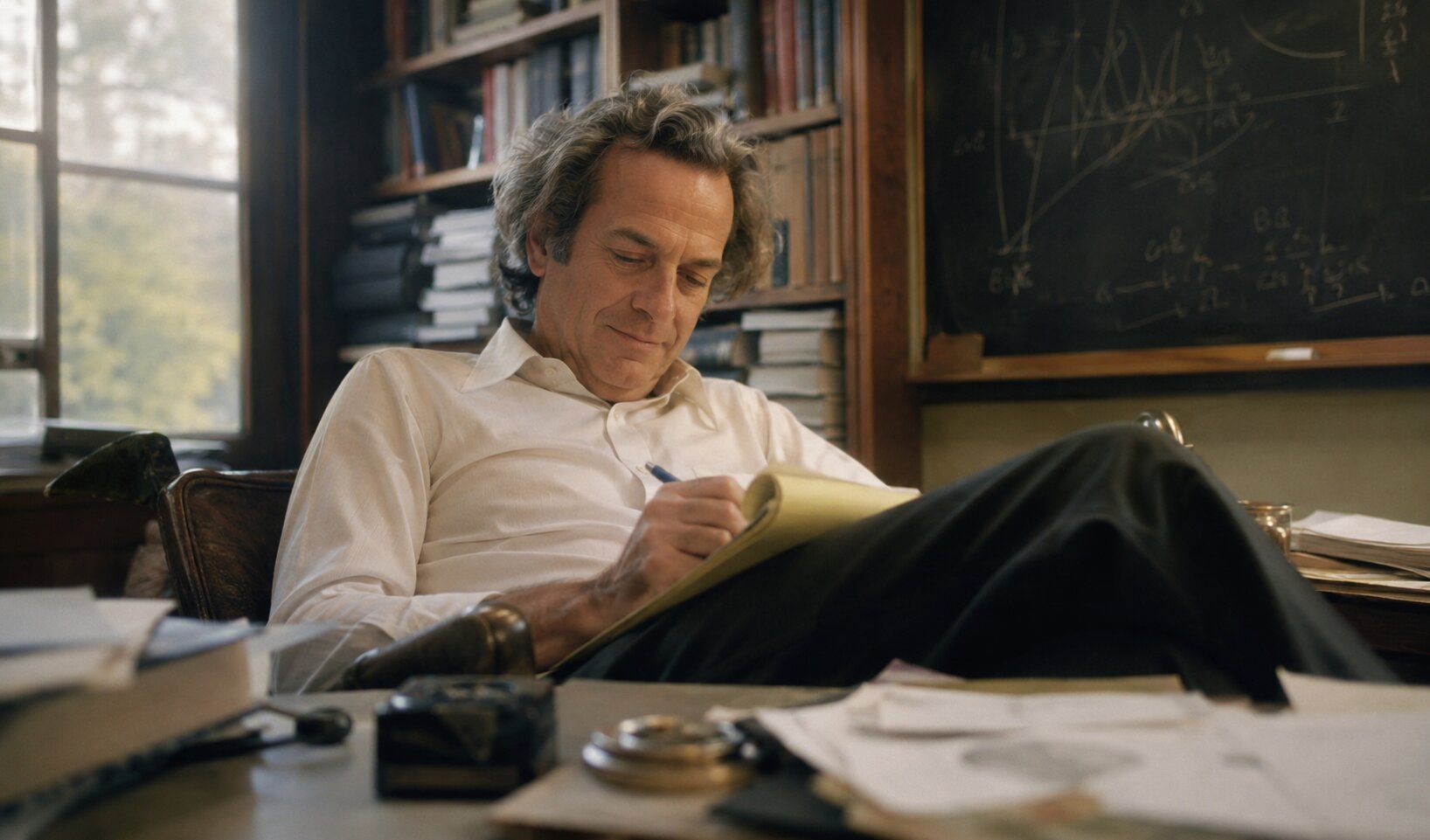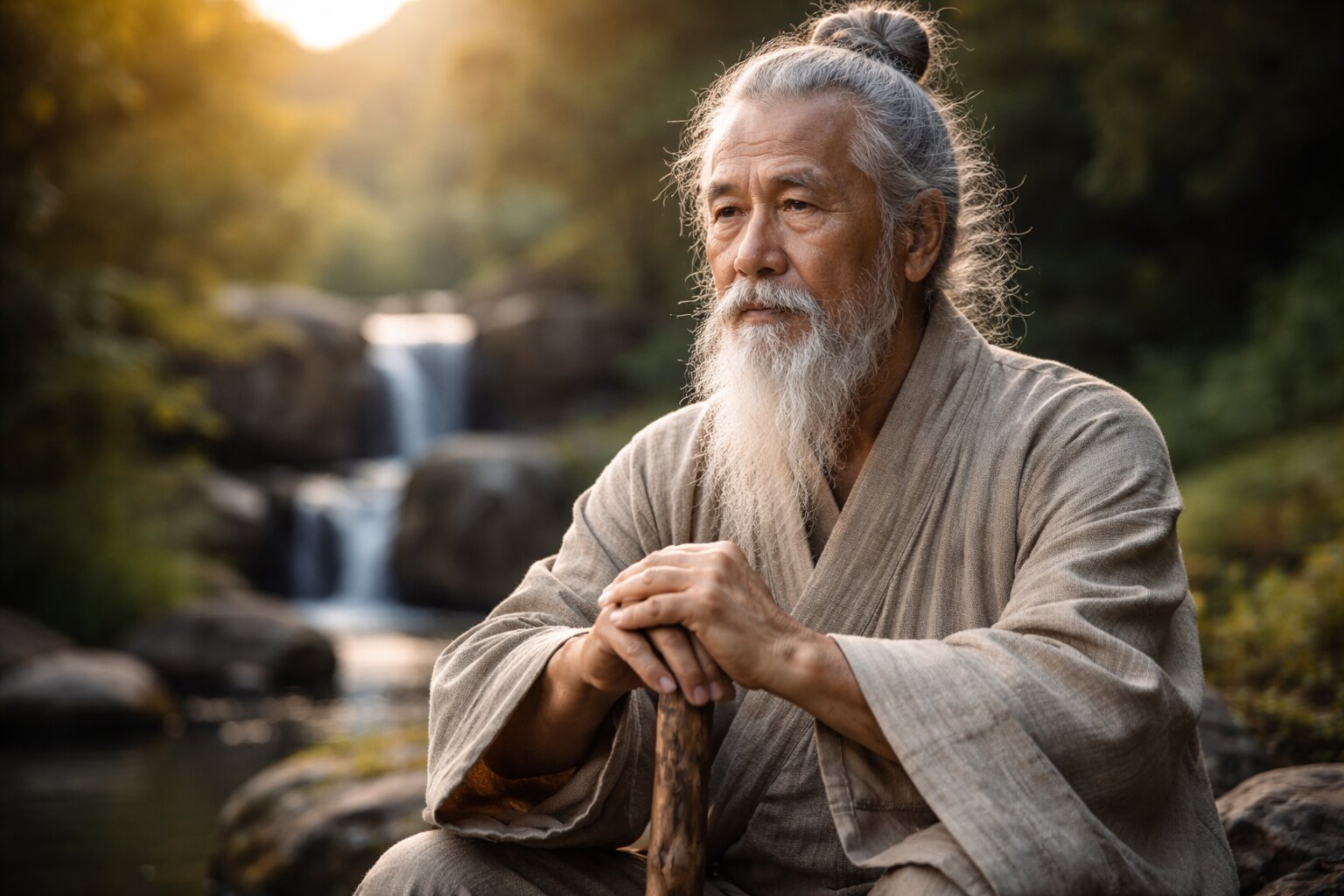
🧠 1. What “Wisdom” Really Means
Wisdom isn’t just knowledge or intelligence. Psychologists define it as a blend of:
- Self-awareness (knowing one’s limits and biases)
- Emotional regulation (not being ruled by anger, fear, pride)
- Empathy and compassion (seeing others’ perspectives)
- Perspective-taking (seeing events in context, over time)
- Acceptance of uncertainty (understanding that life is complex)
So getting “wiser” means developing these capacities — not just getting older.
🧩 2. Why Some People Get Wiser
Some people consciously turn their life experiences into insight:
- Reflection: They don’t just go through things; they think through them. They ask, “What can I learn from this?”
- Humility: They recognize mistakes and limitations rather than defending their ego.
- Curiosity: They keep learning, reading, listening — even when older.
- Empathy growth: They become less self-centered and more understanding of human frailty.
- Resilience: Hard experiences become teachers, not sources of bitterness.
In neuroscience terms, their prefrontal cortex and anterior cingulate cortex — areas tied to judgment and emotional control — stay active and flexible because of ongoing mental engagement and openness.
⚙️ 3. Why Some Don’t Get Wiser
Others grow older but not reflective:
- Ego rigidity: They double down on old beliefs (“I’m always right”) rather than questioning them.
- Fear of change: They see new ideas or viewpoints as threats, not opportunities.
- Bitterness and blame: They attribute life’s pain to others rather than learning from it.
- Cognitive stagnation: They stop learning or exposing themselves to diverse people and experiences.
- Emotional reactivity: Without introspection, emotions remain unregulated — leading to cynicism instead of clarity.
Essentially, they gain experience without extracting meaning from it.
🌱 4. The Key Difference: Reflection + Openness
Research (like that by Monika Ardelt and Paul Baltes) shows that wisdom correlates strongly with reflection and openness — not with age, IQ, or education level. Age merely gives you more data, but reflection turns that data into insight.
🕊️ 5. How to Cultivate Wisdom (At Any Age)
- Journal regularly: write what each major event taught you.
- Ask others for their perspectives before judging.
- Learn to pause before reacting emotionally.
- Read philosophy, literature, and psychology — they stretch empathy and perspective.
- Engage with people of different generations and backgrounds.
- Accept uncertainty as a normal part of life.
Here’s a clear and thoughtful side-by-side comparison showing why some people become wiser with age while others don’t — organized by mindset, behavior, and outcome:
🧭 Why Some People Grow Wiser vs. Why Some Don’t
| Dimension | Those Who Grow Wiser | Those Who Don’t Grow Wiser |
|---|---|---|
| 1. View of Life | See life as a continuous learning process. | See life as a series of wins/losses to defend. |
| 2. Relationship with Mistakes | Reflect on errors, admit them, and adjust behavior. | Deny or rationalize mistakes to protect ego. |
| 3. Emotional Regulation | Pause, observe emotions, and respond calmly. | React impulsively; let anger, pride, or fear dominate. |
| 4. Ego and Humility | Acknowledge limitations and appreciate others’ knowledge. | Believe they already know enough; dismiss others easily. |
| 5. Openness to New Ideas | Stay curious, read, explore, and talk with people who disagree. | Avoid discomfort, stick to old habits and beliefs. |
| 6. Handling Adversity | View hardships as teachers; find meaning in pain. | Feel victimized or bitter about unfair experiences. |
| 7. Listening Skills | Listen deeply, seeking to understand rather than to reply. | Interrupt, argue, or dismiss perspectives they dislike. |
| 8. Self-Reflection | Regularly introspect: “What can I learn from this?” | Rarely reflect; repeat the same patterns blindly. |
| 9. Relationship with Time | Think long-term; value patience and gradual growth. | Focus on immediate gratification or nostalgia. |
| 10. Sense of Purpose | Connect actions to values, ethics, and contribution. | Drift without questioning motives or priorities. |
| 11. Empathy | Understand human frailty and forgive more easily. | Judge harshly; see others as competitors or obstacles. |
| 12. Adaptability | Embrace change as part of life. | Resist change and cling to control. |
| 13. Gratitude | Feel thankful for experiences — even painful ones. | Feel entitled or resentful about what’s missing. |
| 14. Curiosity | Ask questions; seek understanding beyond self. | Assume answers are fixed and known. |
| 15. Legacy Mindset | Think about what wisdom or kindness they’ll leave behind. | Think mainly about personal comfort or status. |
| 16. Cognitive Style | Integrate emotion and reason; think in shades of gray. | Think in black-and-white, rigid categories. |
| 17. Social Relationships | Cultivate deeper, more genuine connections. | Allow relationships to stagnate or become transactional. |
| 18. Reaction to Criticism | See feedback as useful for growth. | Feel attacked and retaliate or withdraw. |
| 19. Intellectual Growth | Continue learning — books, courses, reflection. | Stop learning; rely on what they already know. |
| 20. Overall Outcome | Develop calm confidence, compassion, and perspective. | Grow rigid, bitter, and repetitive in thinking. |
🪞 Core Insight
Wisdom isn’t guaranteed by age — it’s earned through reflection and humility.
Experience gives raw material; reflection turns it into understanding.