From a narrow evolutionary perspective, menopause is puzzling. If natural selection favors reproduction, why do human women commonly live for decades after they can no longer bear children?
The grandmother hypothesis proposes an answer: older women may increase their genetic legacy by helping daughters raise more surviving children.
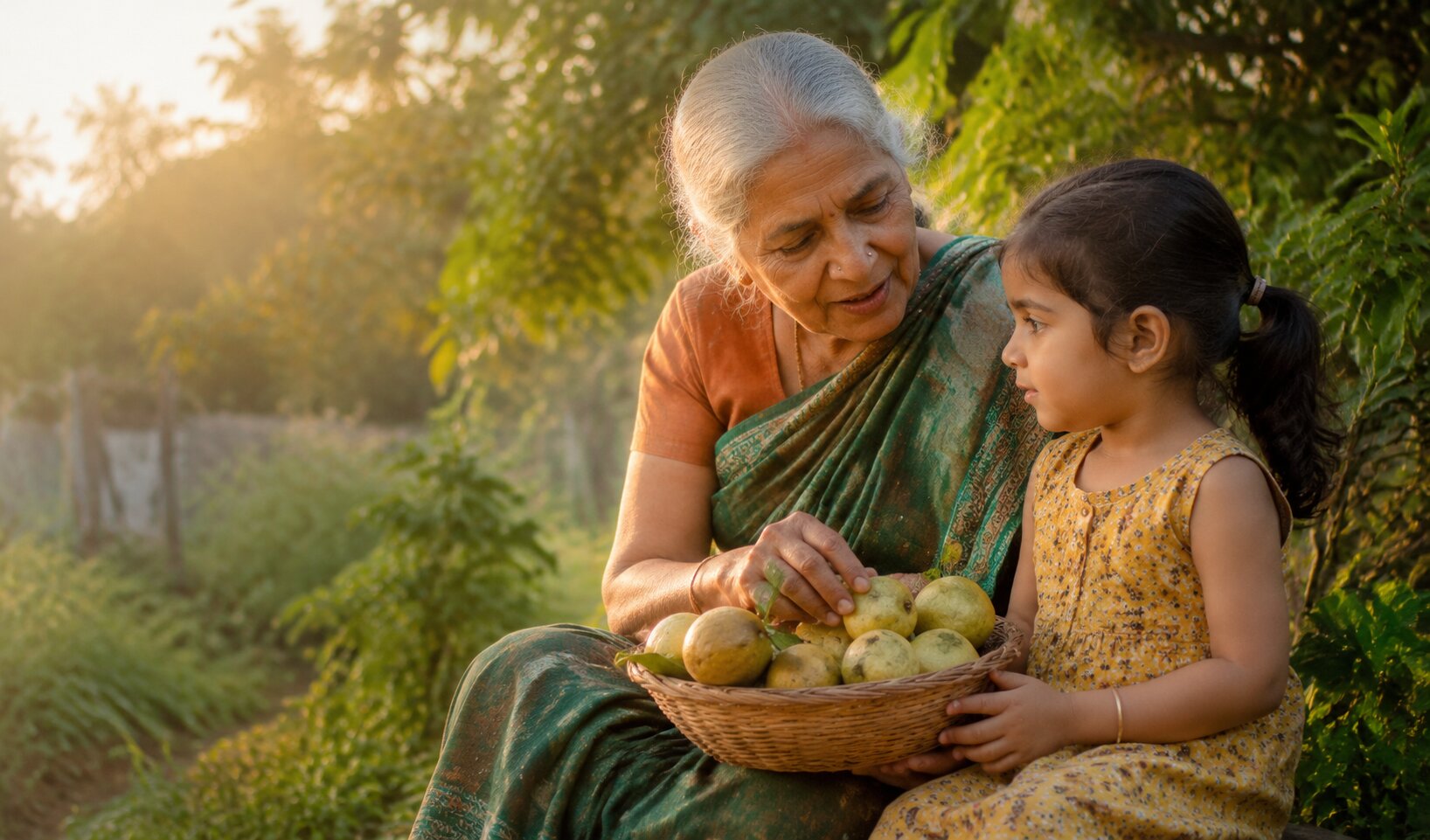
Instead of producing another vulnerable infant themselves, grandmothers can provide food, knowledge and childcare to several existing descendants.
Historical Finnish records offer strong supporting evidence.
In one study of 5,815 children, having a living maternal grandmother was associated with 43% higher survival odds between ages two and five.
Grandmother presence was also linked to shorter intervals between their daughters’ births.
Similar benefits have appeared in some other traditional populations.
What is well established is that grandmothers can improve descendants’ survival or family fertility under certain conditions.
What remains debated is whether those benefits actually caused menopause to evolve.
Effects vary by culture, lineage and historical period; some studies find little benefit, and humans may partly inherit reproductive aging from older mammalian biology.
Menopause, therefore, may not be nature’s retirement plan.
It may represent a shift from producing children to helping descendants thrive—but the evolutionary jury is still deliberating.