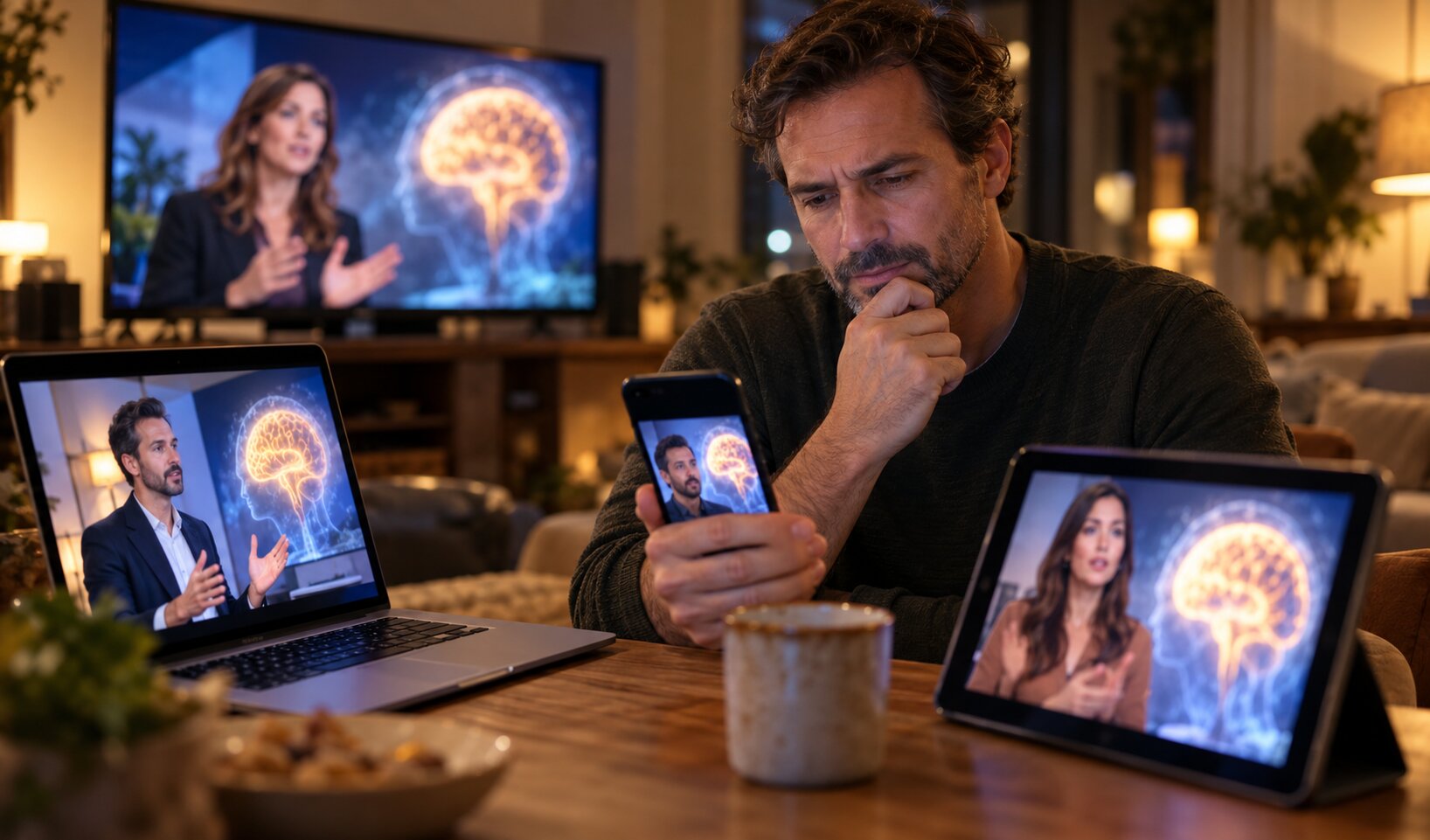
Why do we accept the first plausible AI solution and stop searching?
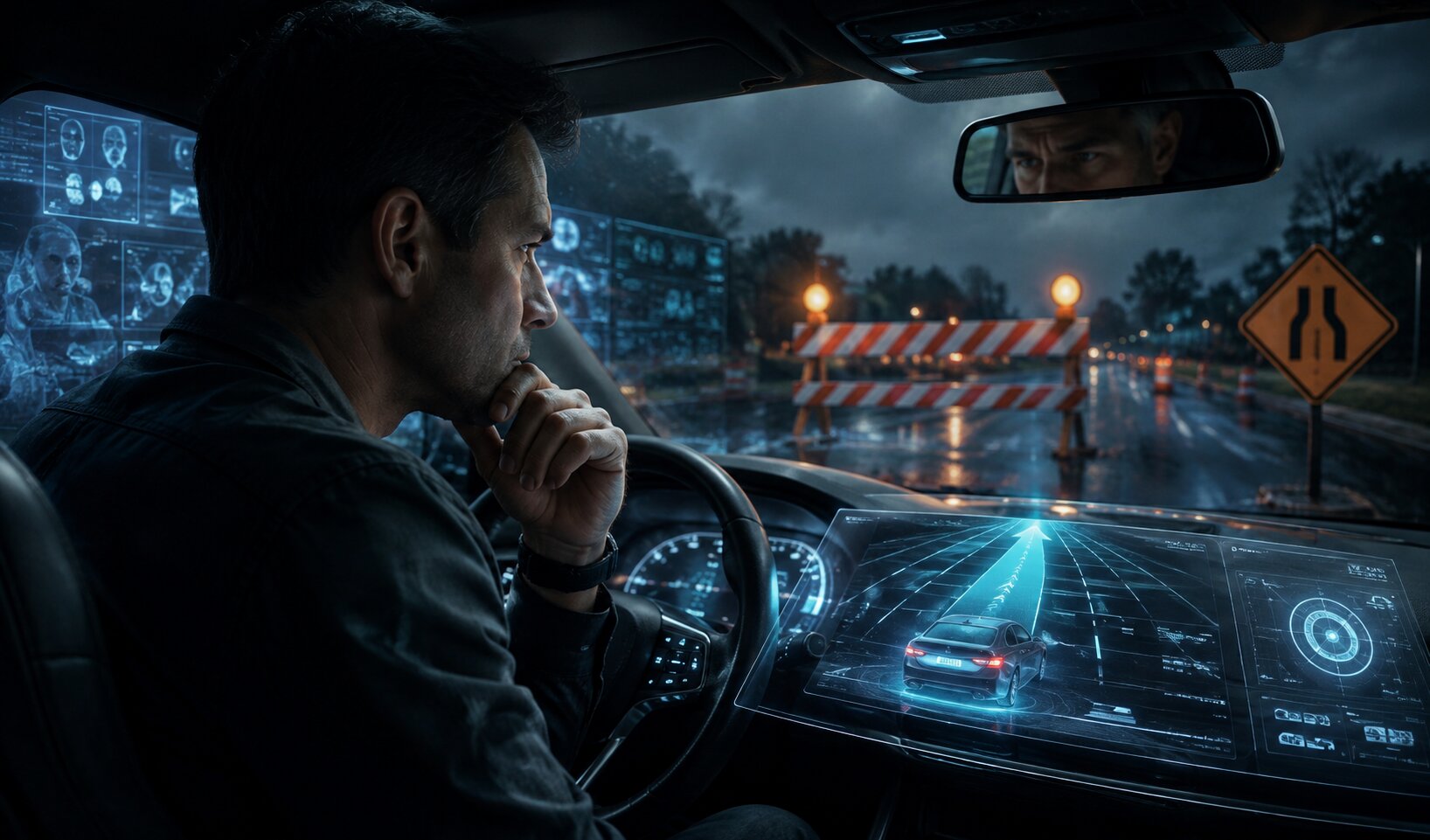
Imagine your GPS tells you to turn onto a road that is clearly closed. You can see the barricade with your own eyes—yet for a moment, you still wonder: Maybe the GPS knows something I don’t.
That hesitation is automation bias.
Automation bias is our tendency to trust recommendations from automated systems—even when other evidence suggests they may be wrong.
As technology becomes more capable, this bias becomes increasingly important. Pilots may rely too heavily on autopilot. Doctors may accept a computer-generated diagnosis without questioning it. Drivers may blindly follow navigation systems. And employees may accept an AI-generated answer simply because it sounds confident.
The danger comes from a subtle mental shortcut:
“The computer probably knows better.”
Automation is extremely useful because it reduces workload and improves consistency. But the more reliable a system becomes, the easier it is for humans to stop actively checking it. Psychologists sometimes describe this as complacency—our attention gradually shifts from supervising the machine to assuming the machine is correct.
AI makes this especially interesting.
A chatbot can produce a beautifully written, confident explanation that contains a completely incorrect fact. The fluency of the answer can make the error harder to notice.
The best approach is neither to distrust automation nor blindly trust it.
Use automation as an adviser, not an authority.
When the stakes are high, ask one simple question:
“If the machine were wrong, would I notice?”
That small moment of skepticism may be exactly what keeps automation working for us rather than thinking for us.