The Evolutionary Truth About Monogamy in Wolves, Swans, and Penguins
We love stories of lifelong devotion in the animal kingdom.
The gray wolf howling beside its lifelong mate.
The elegant swans forming a heart with their necks.
The penguin couple waddling together year after year across Antarctic ice.
But here’s the uncomfortable question:
If these animals are “monogamous,” what happens when a rival male shows up?
Do they get jealous? Fight? Forgive? Replace?
And more importantly — how did they evolve this way when many species (including humans) frequently stray?
Let’s unpack the evolutionary logic behind lifelong bonds — and what “monogamy” really means in the wild.
The Gray Wolf: Loyalty Backed by Violence
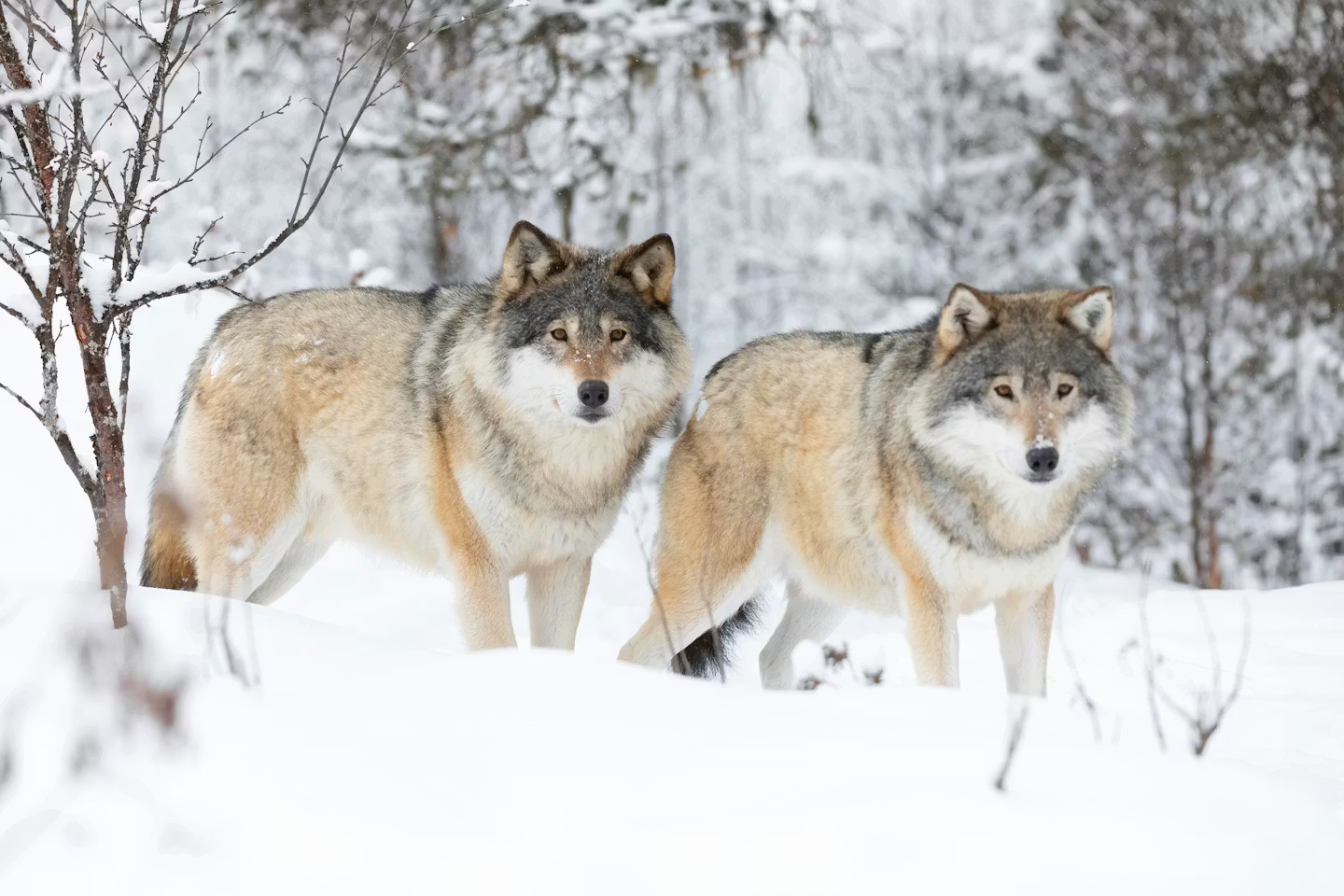
Gray wolf (Canis lupus)
- Mating system: Socially monogamous
- Typical lifespan: 6–8 years in the wild
- Pair bond: Often lifelong
- Pack structure: Built around the breeding pair
In wolves, monogamy is not romance — it’s team strategy.
A wolf pack usually centers around one breeding pair (often called the “alpha” male and female). Together they raise pups, defend territory, and coordinate hunts.
What about infidelity?
Wolves don’t tolerate it.
- Rival males are usually chased off or killed.
- Subordinate males rarely get mating access.
- A female typically mates with one dominant partner.
Why? Because wolf pups are extremely dependent. They need:
- Cooperative hunting
- Protection from rival packs
- Long-term parental investment
If a male cannot be certain the pups are his, he won’t invest energy feeding and defending them. So strong pair bonding — backed by territorial aggression — ensures cooperation.
Monogamy evolved because survival requires teamwork.
Swans: Romantic — But Not Perfectly Faithful
Mute swan and other swan species
- Mating system: Socially monogamous
- Pair bond: Often long-term
- Lifespan: 20+ years
Swans are famous for lifelong pair bonds — and they often do stay together for many years.
But here’s the twist:
Genetic studies show that extra-pair copulations happen.
In other words… swans cheat too.
So why stay paired?
Because raising cygnets is hard.
- Large nests must be defended.
- Eggs require incubation.
- Chicks need protection from predators.
Two parents increase survival odds dramatically.
From an evolutionary standpoint:
- Pair bond = cooperative parenting contract
- Occasional infidelity = genetic diversification strategy
A female may mate outside the pair to increase genetic diversity while still keeping her dependable partner at home to help raise the brood.
That’s not romance — that’s risk management.
Penguins: Monogamous… With Annual Contracts
Emperor penguin and other penguin species
- Mating system: Mostly socially monogamous
- Pair bond: Often seasonal, sometimes lifelong
- Environment: Extreme Antarctic conditions
In species like the Emperor penguin:
- The female lays the egg.
- The male incubates it for months without eating.
- Parents alternate long feeding journeys.
This system only works if both parents cooperate.
If one partner defects, the chick dies.
So monogamy evolves when:
The offspring survival rate depends critically on biparental care.
But again — infidelity exists in some penguin species. Social monogamy does not always equal sexual exclusivity.
The Evolutionary Formula for Monogamy
Monogamy tends to evolve under specific ecological pressures:
1️⃣ Offspring are expensive
If babies require:
- Long care
- Protection
- Teaching
- Cooperative hunting or feeding
Then two committed parents are beneficial.
2️⃣ Mates are hard to find
In harsh environments (like Antarctica), finding a new mate every season is costly and risky.
Stability saves time and energy.
3️⃣ Territories are defensible
If a male can guard one female effectively, monogamy becomes viable.
If females are widely dispersed, polygyny becomes more common.
What About Competition and Infidelity?
In socially monogamous species:
- Rival males may attempt sneak copulations.
- Mate guarding evolves.
- Aggression increases during breeding season.
- Divorce can happen if reproductive success drops.
Monogamy doesn’t eliminate competition.
It changes its structure.
Instead of competing for many mates, males compete for:
- One high-quality partner
- Territory security
- Long-term parental investment success
And Humans?
Humans are not strictly monogamous or strictly polygamous.
Anthropological data shows:
- Most societies allow polygyny.
- Many individuals practice serial monogamy.
- Infidelity rates are significant.
Humans evolved with flexible mating strategies:
- Pair bonding for child-rearing.
- Opportunistic mating for genetic diversity.
- Cultural norms shaping behavior.
We sit somewhere between wolves and swans.
The Big Truth: Monogamy Isn’t About Morality
It’s about math.
Monogamy evolves when:
The survival advantage of two parents working together outweighs the genetic benefits of seeking multiple mates.
Where offspring survival depends heavily on cooperation, monogamy thrives.
Where resources are abundant and offspring are independent early, polygamy or promiscuity dominates.
Nature isn’t romantic.
It’s strategic.
Final Thought: Love Is Strategy in Disguise
When you see a wolf pair howling together, a swan couple gliding across a lake, or penguins huddling in Antarctic winds…
You’re witnessing an evolutionary contract:
“I invest in you. You invest in me. We increase our genetic legacy together.”
Monogamy in animals isn’t purity.
It’s partnership under pressure.
And in that sense, perhaps the real story isn’t about loyalty.
It’s about survival.