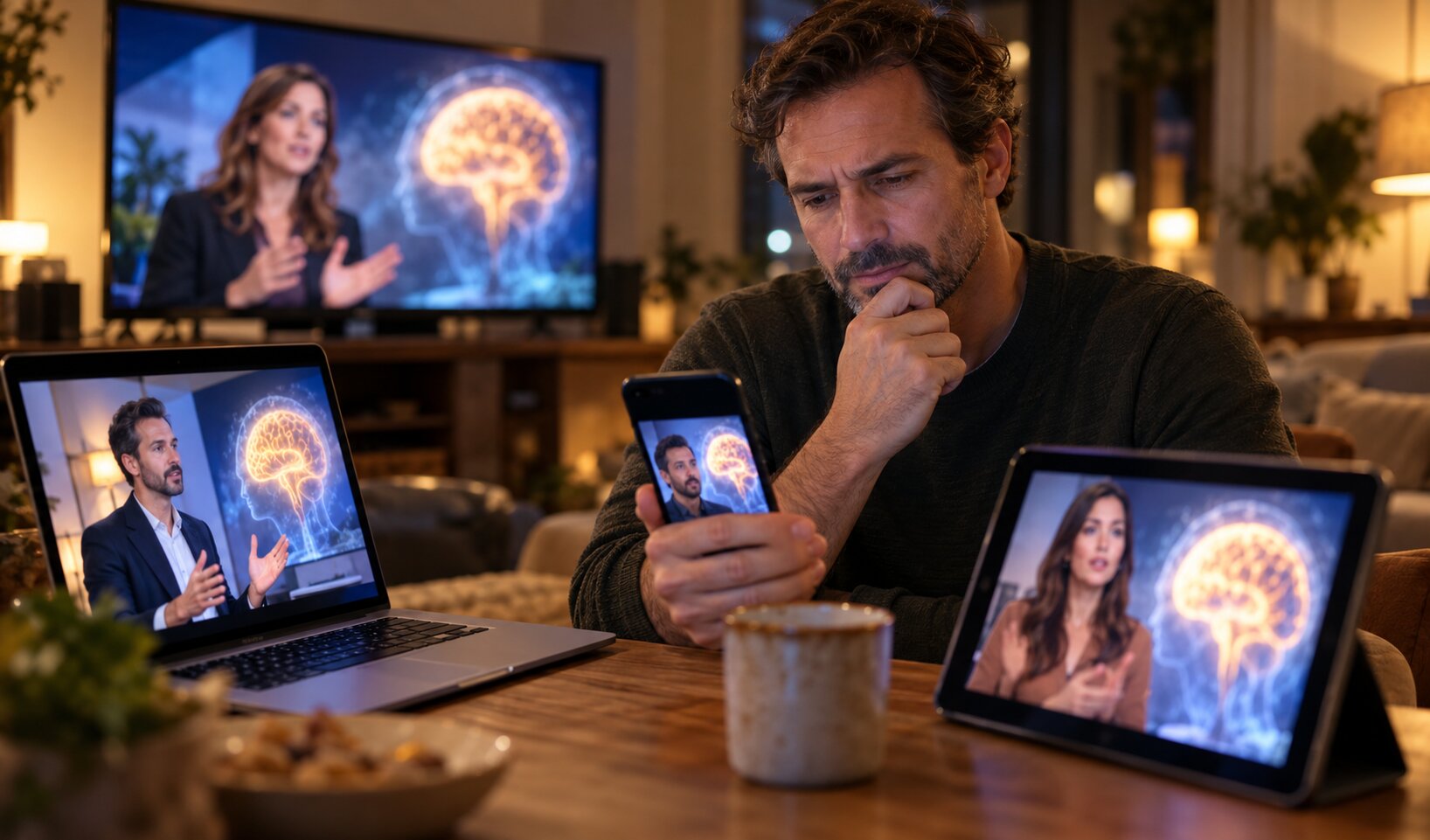
Why does paying without physical cash increase the likelihood that we purchase something?
Why Spending Hurts Less Without Cash
Imagine buying a $75 dinner.
If you hand over three crisp $20 bills, a $10 bill and a $5 bill, you physically watch your money disappear.
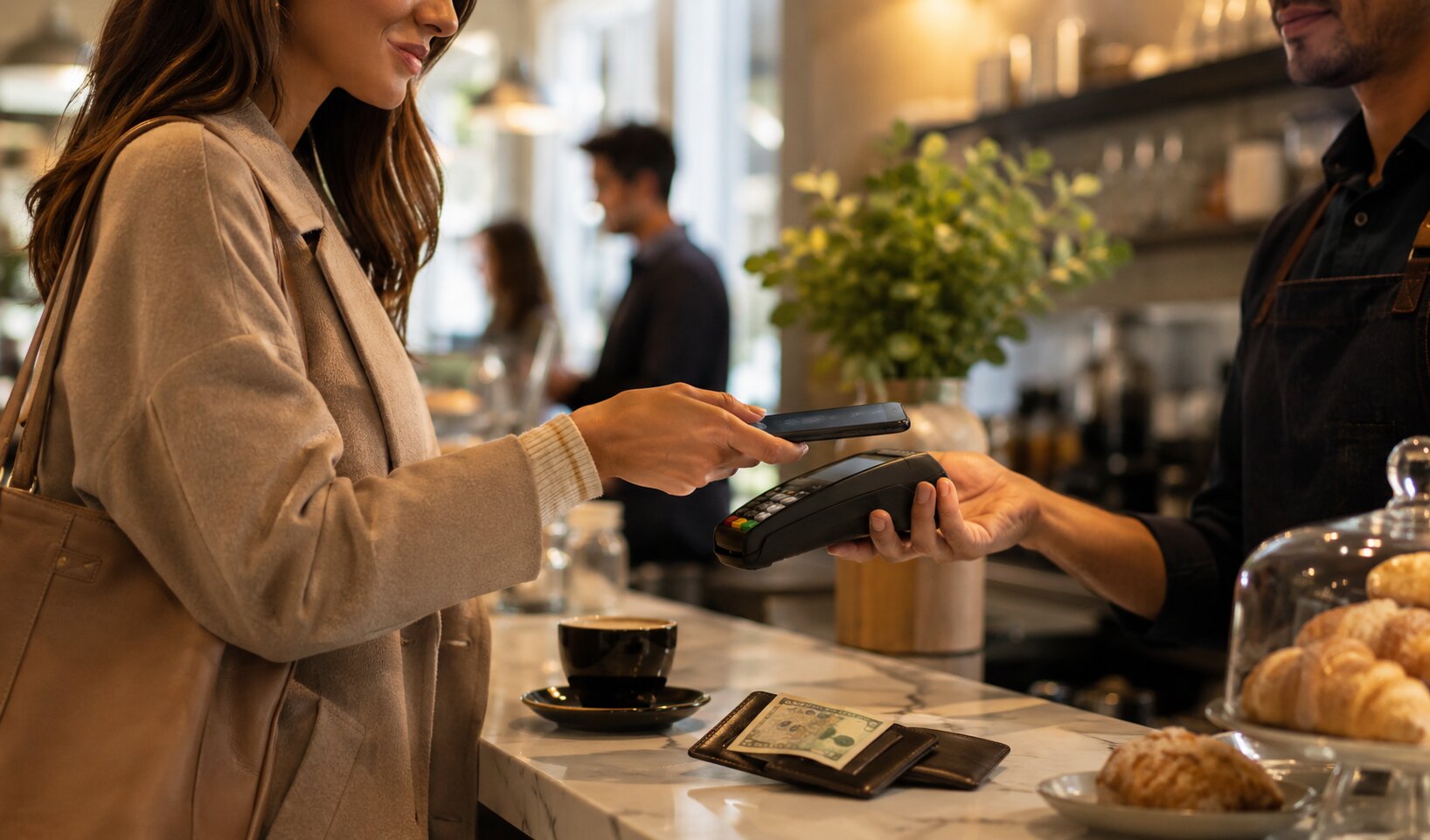
Now imagine tapping your phone for the same $75.
Same cost. Very different feeling.
This is the cashless effect—the tendency to spend more freely when we pay with credit cards, phones, apps or other digital methods instead of physical cash.
Why?
Cash creates what researchers often call the “pain of paying.” You see the money leave your wallet. Your stack of bills gets smaller. The loss is immediate and visible.
Digital payments weaken that connection.
A tap, swipe or click feels almost effortless. The purchase happens now, while the financial consequence may not feel real until days or weeks later when the bill arrives.
That psychological distance can make us:
- Spend more
- Buy more impulsively
- Pay less attention to prices
- Add extras we might otherwise skip
This is one reason casinos use chips, apps use stored balances and retailers make checkout as frictionless as possible.
The easier payment feels, the less time we have to reconsider the purchase.
The lesson
Cashless payments are incredibly convenient—but convenience can quietly reduce spending awareness.
Before tapping “Buy Now,” try asking yourself:
“Would I still buy this if I had to take the same amount out of my wallet in cash?”
If the answer suddenly changes, you may have just caught the cashless effect in action.