Why Differences Look Bigger Side by Side
Why do we view options as more distinct when evaluating them simultaneously?
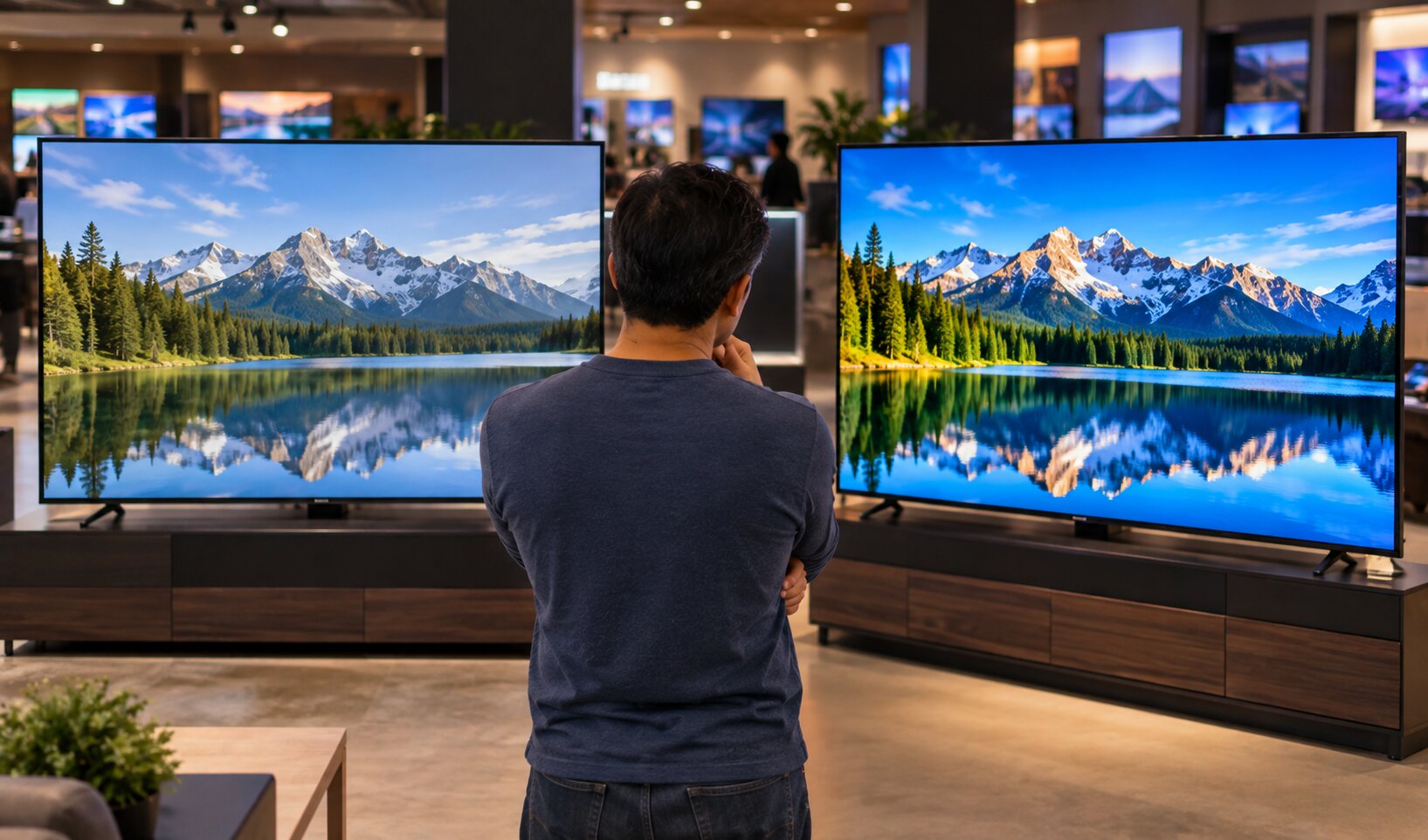
Imagine you’re choosing between two televisions.
One has slightly better contrast.
The other is $300 cheaper.
When you compare them side by side, the picture-quality difference may seem obvious and important.
But if you bought either one and took it home, would you still notice the difference every day?
Maybe not.
This is called distinction bias—our tendency to exaggerate differences when options are compared directly, even when those differences may matter very little in actual experience.
It happens with:
Cars.
Phones.
Houses.
Salaries.
Hotels.
Even job offers.
For example, a hotel room that is 50 square feet larger may look clearly superior when viewed next to another room online.
But once you’re actually staying there, that extra space may barely affect your happiness.
The problem is that comparison mode makes small differences feel large.
But experience mode is different.
Once we choose, we usually stop comparing and simply live with what we selected.
The lesson
When comparing two options, don’t just ask:
“Which one is better?”
Ask:
“Will I actually notice this difference after I choose?”
Sometimes we pay a lot more for distinctions that feel important only while we are comparing them.


