The Tiny Person Inside Your “Pupil”
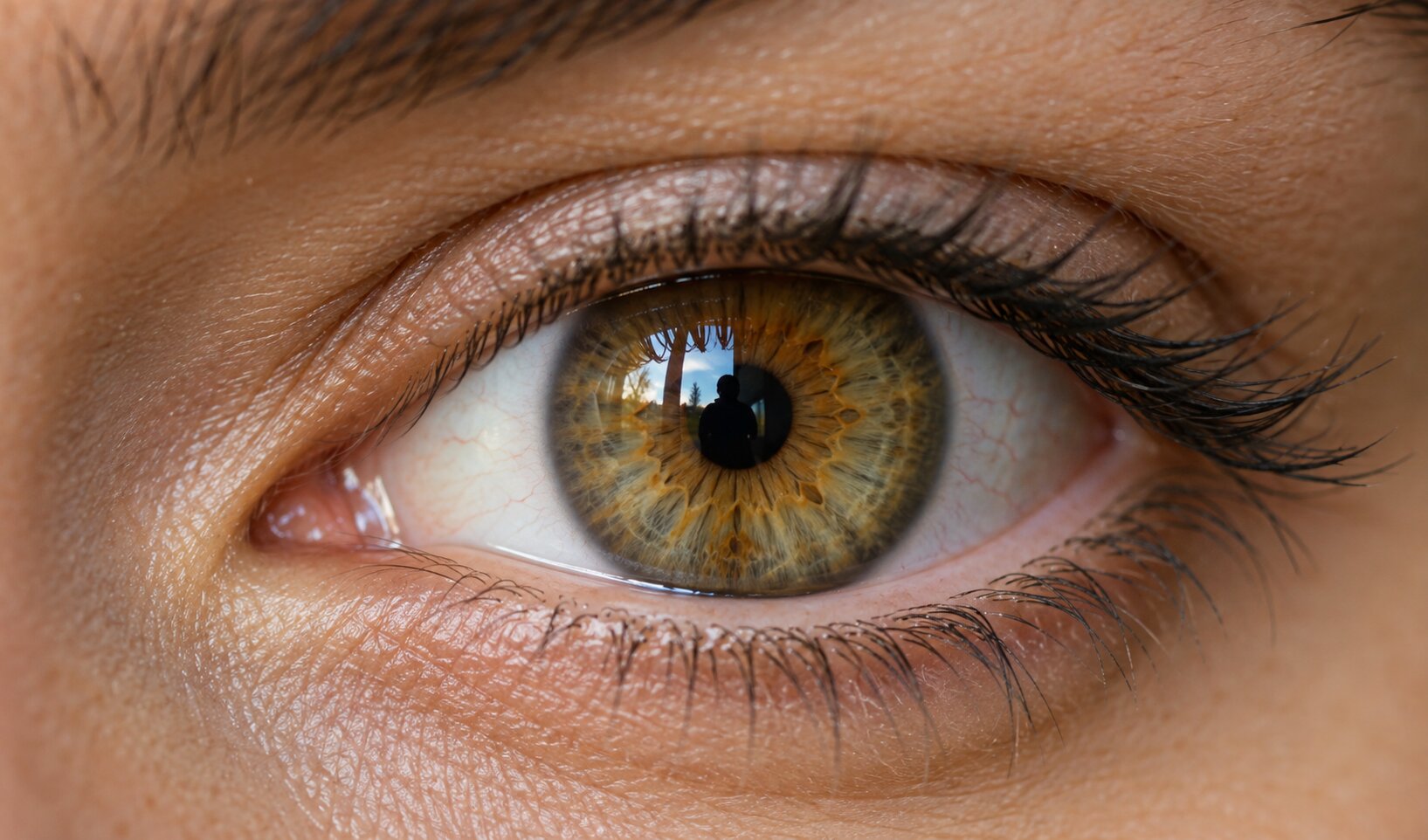
Look closely into someone’s eyes, and you may spot a miniature reflection of yourself. That tiny image helped give the pupil its name.
The anatomical word comes through French from Latin pupilla, meaning “little girl” or “doll,” a diminutive of pupa. To ancient observers, the reflection resembled a tiny person inside the eye. The image became the name for the dark opening at its center, reaching English around the beginning of the fifteenth century. Online Etymology Dictionary
But what about a teacher’s pupils?
That meaning belongs to the same Latin family. Pupillus referred to a child under a guardian’s care. When English borrowed it in the late fourteenth century, a pupil was a ward, not necessarily a student. By the sixteenth century, the meaning had expanded from someone in a guardian’s care to someone receiving a teacher’s instruction. Online Etymology Dictionary
So these two familiar meanings followed different paths: one from a miniature human reflection into anatomy, the other from childhood and guardianship into education.
The Greeks noticed the same visual resemblance: korē could mean both “girl” and “pupil of the eye.”
Next time you look someone in the eye, remember: the pupil looking back takes its name from a tiny human figure—and that figure might be you.


