Why do Gold and Silver rise or fall?
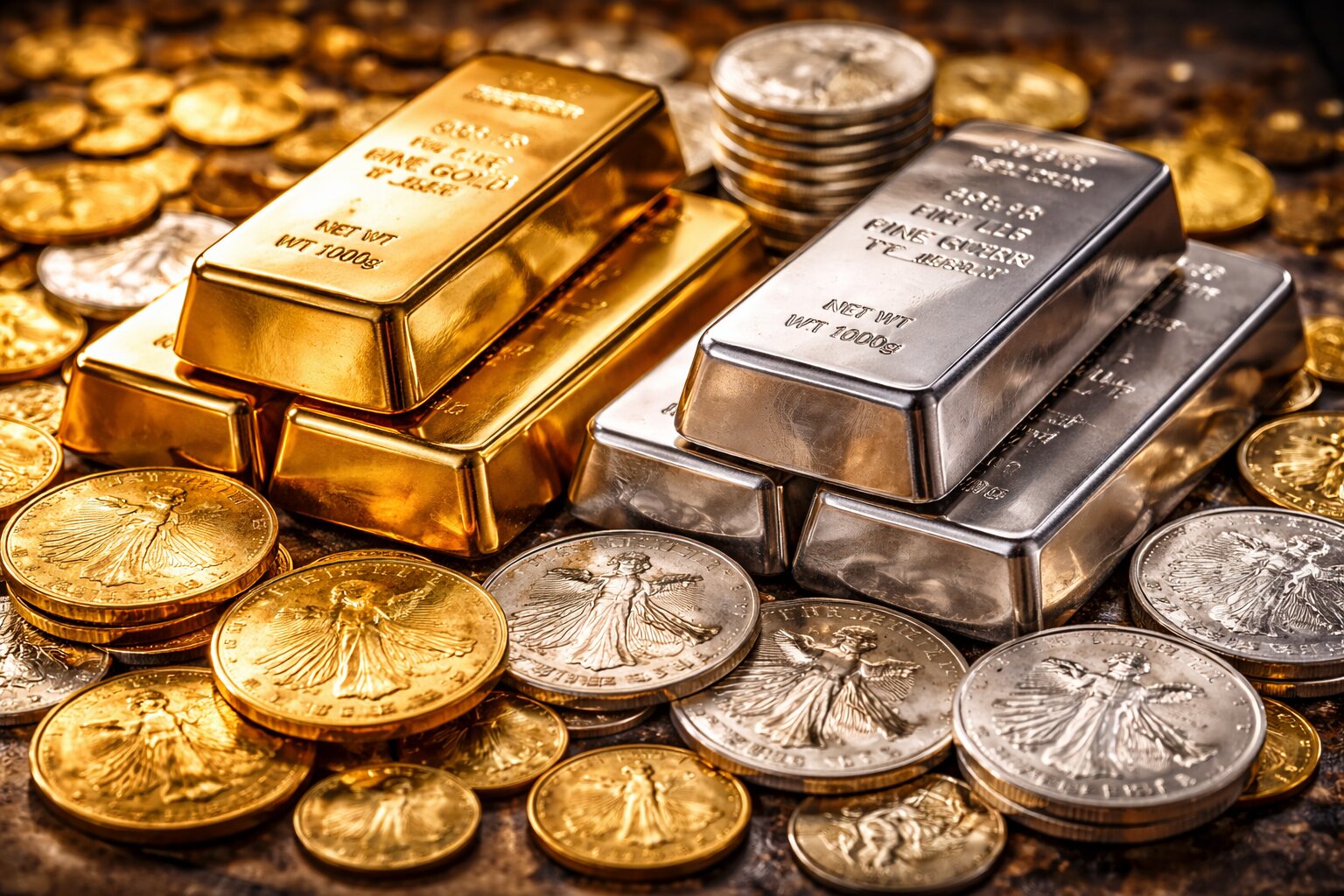
Gold and silver do not behave like stocks or bonds. They do not produce cash flow. Their prices move mainly because of macroeconomic forces, psychology, and scarcity.
Key Drivers of Gold and Silver Prices
| Driver | Effect on Gold and Silver |
|---|---|
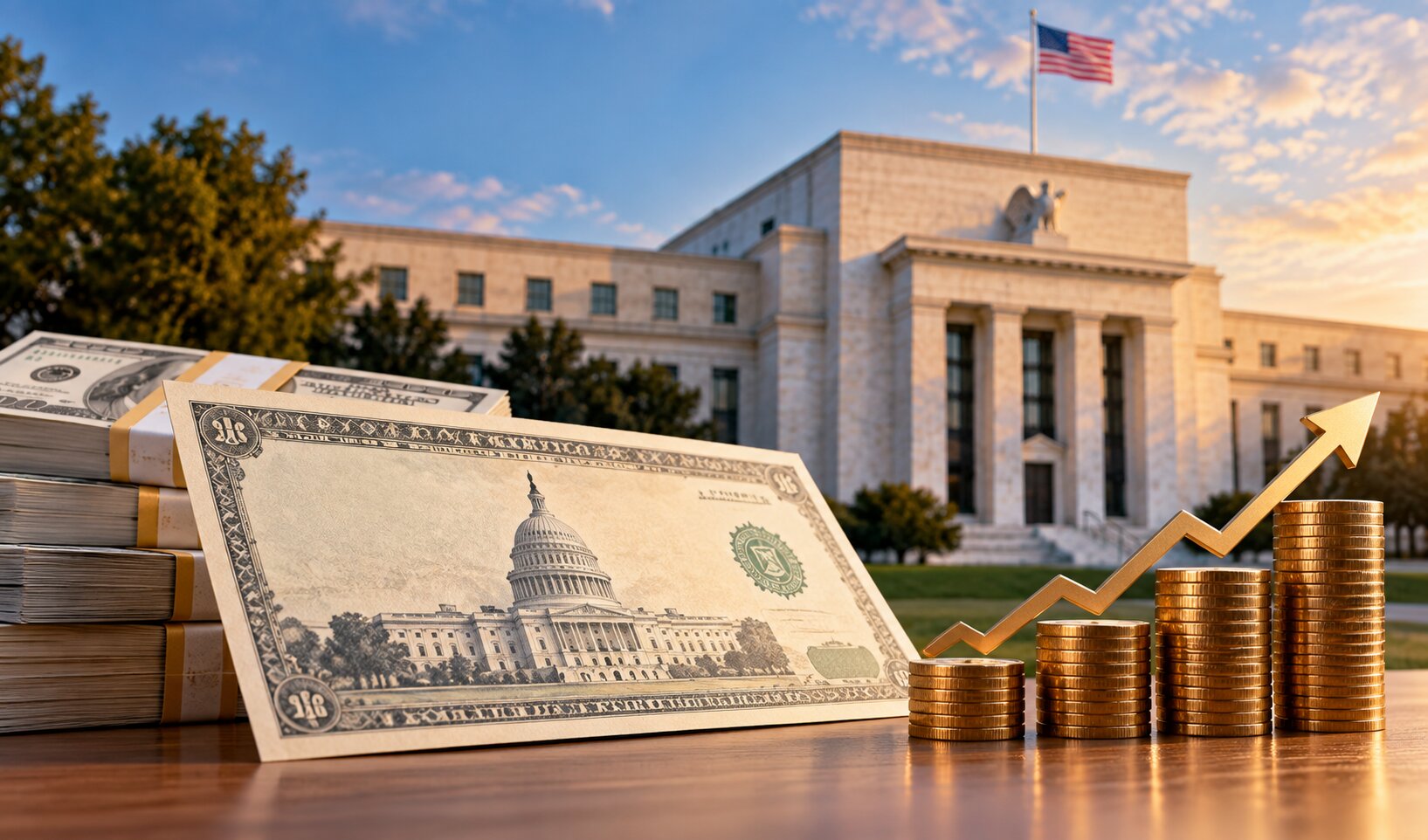
| Inflation & currency value | When inflation rises or people expect currencies, especially the US dollar, to lose purchasing power, gold and silver often rise. They are viewed as stores of value when paper money is being debased. |
| Interest rates | Higher interest rates usually push gold and silver lower because cash, bonds, and T-bills start paying more, increasing the opportunity cost of holding non-yielding metals. Lower or negative real rates tend to support metals. |
| US dollar strength | Metals are priced in dollars. A strong dollar usually pushes gold and silver down, while a weak dollar usually pushes them up. |
| Fear, uncertainty & crises | Wars, banking stress, recessions, and pandemics often trigger a flight to safety. Gold especially acts as financial insurance. |
| Supply & demand differences | Gold is driven mostly by investment demand and central bank reserves. Silver is driven by both investment demand and industrial demand such as electronics, solar, and medical uses. This makes silver more volatile than gold. |
| Speculation & positioning | Futures markets, ETFs, and hedge-fund positioning can amplify moves, especially in silver. |
Gold vs Silver (Quick Contrast)
| Factor | Gold | Silver |
|---|---|---|
| Volatility | Lower | Much higher |
| Industrial use | Low | High |
| Crisis hedge | Strong | Moderate |
| Speculative nature | Less | More |
| Long-term stability | Higher | Lower |
What does Warren Buffett think about gold and silver?
Buffett’s core view:
Gold is not an investment. It is a store of value.
His philosophy is simple:
- Good investments produce cash through profits, dividends, or interest.
- Gold and silver produce nothing. They simply sit there.
Buffett’s Main Criticisms
| Criticism | Explanation |
|---|---|
| No cash flow | Gold and silver generate no earnings, no dividends, and no compounding. |
| Opportunity cost | Over long periods, productive assets such as businesses and farmland tend to outperform metals. |
| Speculation-driven | The gain often depends on someone else paying a higher price later. |
He famously said:
“Gold gets dug out of the ground, melted down, buried again, and people stand around guarding it.”
Important Nuance
Many people miss this point: Buffett does not hate gold as insurance. He simply does not like it as a core investment.
Why did Buffett buy gold-related assets?
- Berkshire once bought Barrick Gold, which is a mining company.
- That is different because a miner is a business with cash flow, operating costs, and management decisions.
- He was investing in free cash flow, not in the metal itself.
How Buffett Would Frame It
| Asset | Buffett’s View |
|---|---|
| Gold | Hedge / insurance |
| Silver | Even more speculative |
| Stocks | Ownership in productive businesses |
| Bonds / T-bills | Income and stability |
Buffett-Style Allocation
- A small percentage in gold is fine for insurance.
- A large percentage in gold is a poor long-term strategy.
Bottom Line
- Gold and silver rise when fear, inflation, weak currency, or low real rates dominate.
- They fall when confidence, strong growth, and high interest rates return.
- Warren Buffett prefers assets that compound wealth, not just preserve it.
Show Comments