The $0.23 cents Mistake That Built a Trillion-Dollar Empire
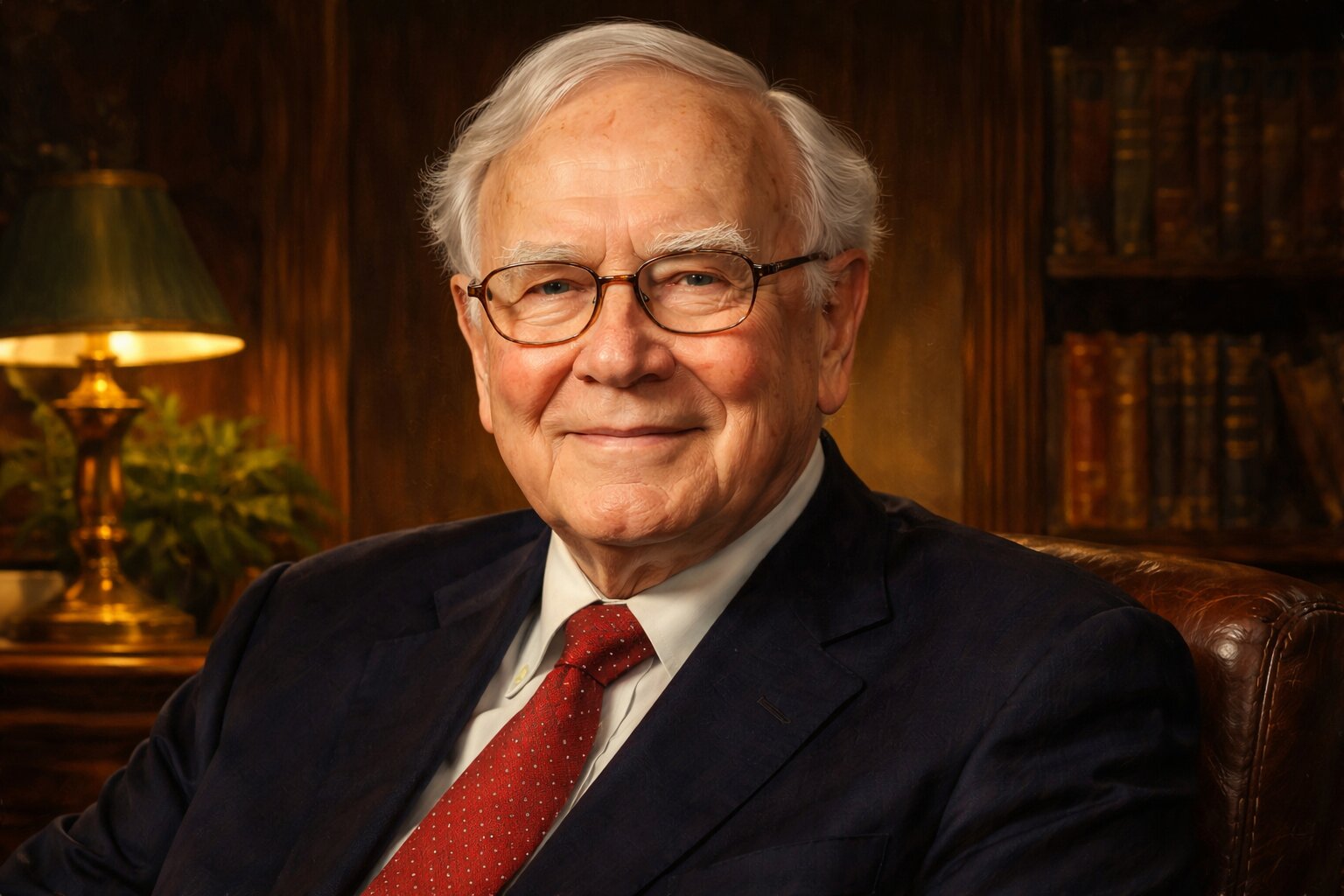
Most people know **Warren Buffett** as the genial billionaire from Omaha—the man who turned patience into a superpower and common sense into uncommon wealth.
Fewer people know that the foundation of his empire was not laid with brilliance, but with irritation.
The story of **Berkshire Hathaway** did not begin as a grand vision of conglomerates and capital allocation.
It began as a slow, methodical stock purchase—and a feud that permanently changed Buffett’s investing philosophy.
A Boring Textile Company With a Cheap Price
In the early 1960s, Berkshire Hathaway was a struggling New England textile manufacturer.
The business was shrinking, capital-intensive, and steadily losing competitiveness to lower-cost producers overseas.
By any rational business standard, it was a poor long-term investment.
But Buffett wasn’t looking at the business. He was looking at the balance sheet.
Berkshire traded below the value of its net assets—classic “cigar-butt” territory, where a business may be ugly but still has a few profitable puffs left.
Buffett began buying shares quietly, not to control the company, but to profit from what he believed was an eventual liquidation or share repurchase at a fair price.
This was vintage early-career Buffett: disciplined, unemotional, and focused purely on numbers.
The Deal That Sparked the Feud
As Buffett accumulated shares, he had conversations with Berkshire’s CEO, **Seabury Stanton**, about a potential buyback. Stanton indicated that Berkshire would repurchase Buffett’s shares at **$11.50 per share**—a reasonable price at the time.
Buffett agreed.
When the formal tender offer arrived, however, the price was **$11.375**.
The difference was trivial in absolute dollars. But to Buffett, it wasn’t about the money. It was about trust.
He felt deliberately shortchanged and he was extremely pissed off.
And in that moment, Buffett did something he would later describe as one of the biggest mistakes of his career: he got emotional.
From Investor to Owner—Out of Spite
Instead of selling, Buffett did the opposite.
He started buying more shares.
What began as a value investment turned into a control battle.
Buffett steadily accumulated enough stock to take over the company, eventually firing Stanton and assuming control himself.
Years later, Buffett admitted this decision was driven not by logic, but by anger. He wanted to prove a point. He wanted to win.
And he did—but at a cost.
Holding On to the Wrong Business
Owning Berkshire Hathaway’s textile operations turned out to be a prolonged lesson in capital misallocation. The mills required constant reinvestment just to stay afloat, generated poor returns, and consumed management attention.
Buffett kept the business running for years—partly to preserve jobs, partly out of optimism, and partly because he hated admitting mistakes. But every dollar reinvested in textiles was a dollar not invested elsewhere.
Eventually, Buffett shut the textile business down entirely.
In hindsight, he would say that the real mistake wasn’t buying Berkshire—it was buying it **for the wrong reason**.
The Accidental Shell That Changed Everything
Ironically, Berkshire’s failure as a textile company became its greatest strength.
The corporate shell allowed Buffett to redeploy capital into better businesses: insurance operations like National Indemnity, followed by banks, consumer brands, utilities, railroads, and equities.
Berkshire Hathaway transformed from a dying manufacturer into a capital-allocation machine.
The company Buffett never intended to own became the vehicle through which he built one of the most successful investment records in history.
Buffett’s Own Verdict: A Costly Lesson
Buffett has repeatedly said that if Stanton had honored the $11.50 agreement, Berkshire Hathaway as we know it might never have existed.
He would have sold his shares and moved on.
But he’s also clear about the lesson:
“I let my emotions get in the way of my intellect.”
He estimates that clinging to the textile business cost shareholders **tens of billions of dollars** in opportunity cost compared to what that capital could have earned elsewhere.
It was the moment that pushed Buffett away from cheap, mediocre businesses—and toward buying wonderful businesses at fair prices.
The Real Moral of the Story
This story is often romanticized as a tale of grit and determination. But Buffett himself tells it as a cautionary one.
* **Being right on valuation isn’t enough**
* **Integrity matters more than small price differences**
* **Emotions can turn a good investor into a stubborn owner**
* **Holding on too long can be more expensive than selling early**
Berkshire Hathaway succeeded not because of the textile mills—but despite them.
The irony is striking: a petty dispute over a fraction of a dollar led to the creation of a trillion-dollar empire. But the real wealth came only after Buffett learned to never repeat that mistake again.
Sometimes, the most important investment lessons are bought—not with money—but with regret.