A “Husband” Was Originally a Householder
Today, a husband is a married man. But the word originally had nothing specifically to do with marriage.
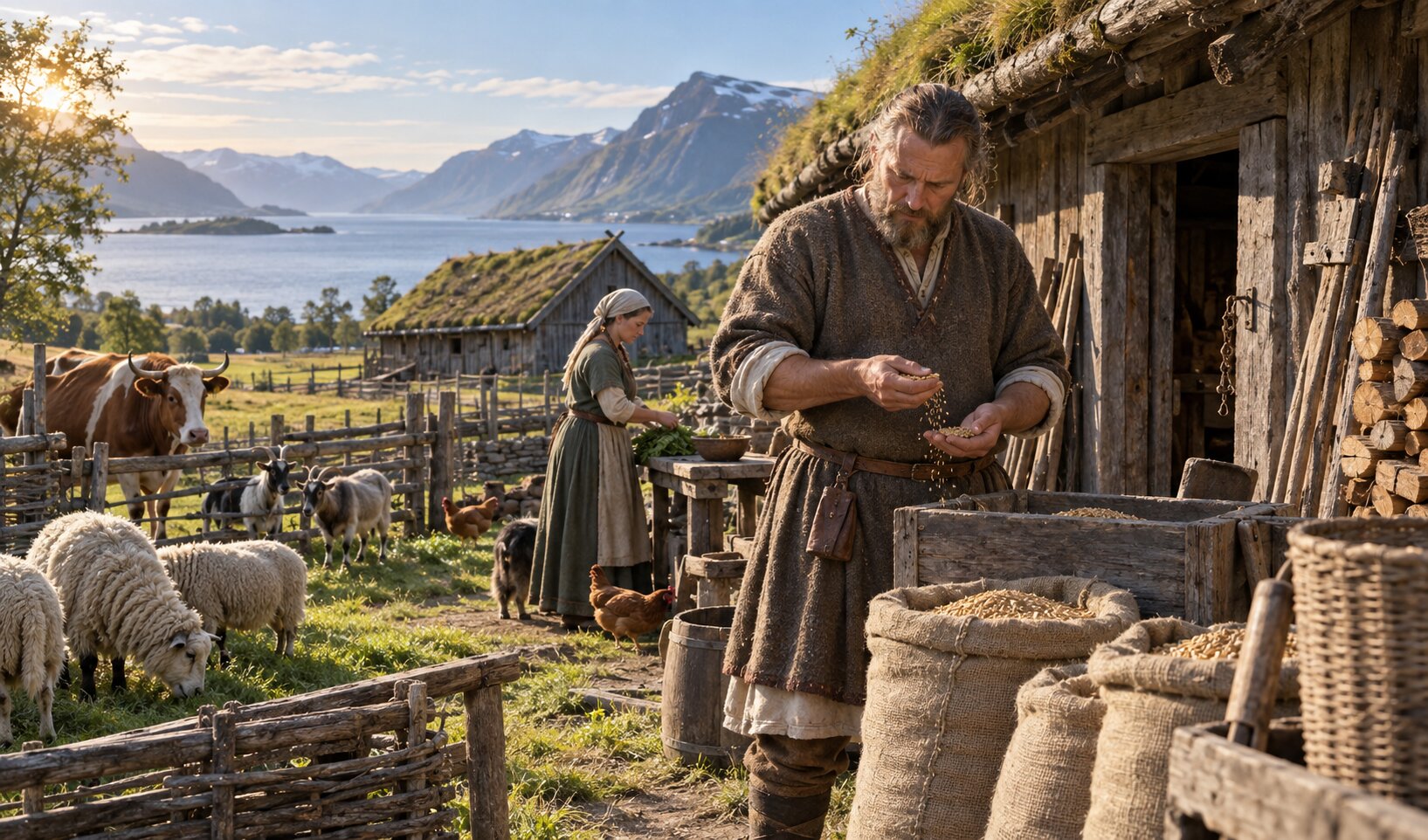
It entered English from the Old Norse húsbóndi. The first part, hús, meant “house.” The second, bóndi, referred to someone who lived on and managed the land. Together, the word meant a householder—usually a man responsible for running a farm or estate.
After Viking settlers brought the term to England, it became Middle English husband. At first, it could describe the male head of a household, whether the emphasis was on owning land, managing property, or supervising a farm.
Because that household leader was commonly married, the word gradually became associated with his relationship to his wife. Eventually, its broader meaning faded, leaving the familiar sense of “married man.”
But the original manager survives in husbandry. Animal husbandry is not about marrying animals; it means carefully raising and managing them. The verb to husband also means to conserve something wisely—as in “husbanding your resources.”
Here is the memorable surprise: husband and bondage may look related because of bond, but they are not. The -bond sound in older forms of husband developed from an Old Norse word connected with dwelling, not being bound.
So the first husband was not defined by a wedding ring. He was simply the person responsible for keeping the house, land, animals, and supplies in good order. Online Etymology Dictionary


