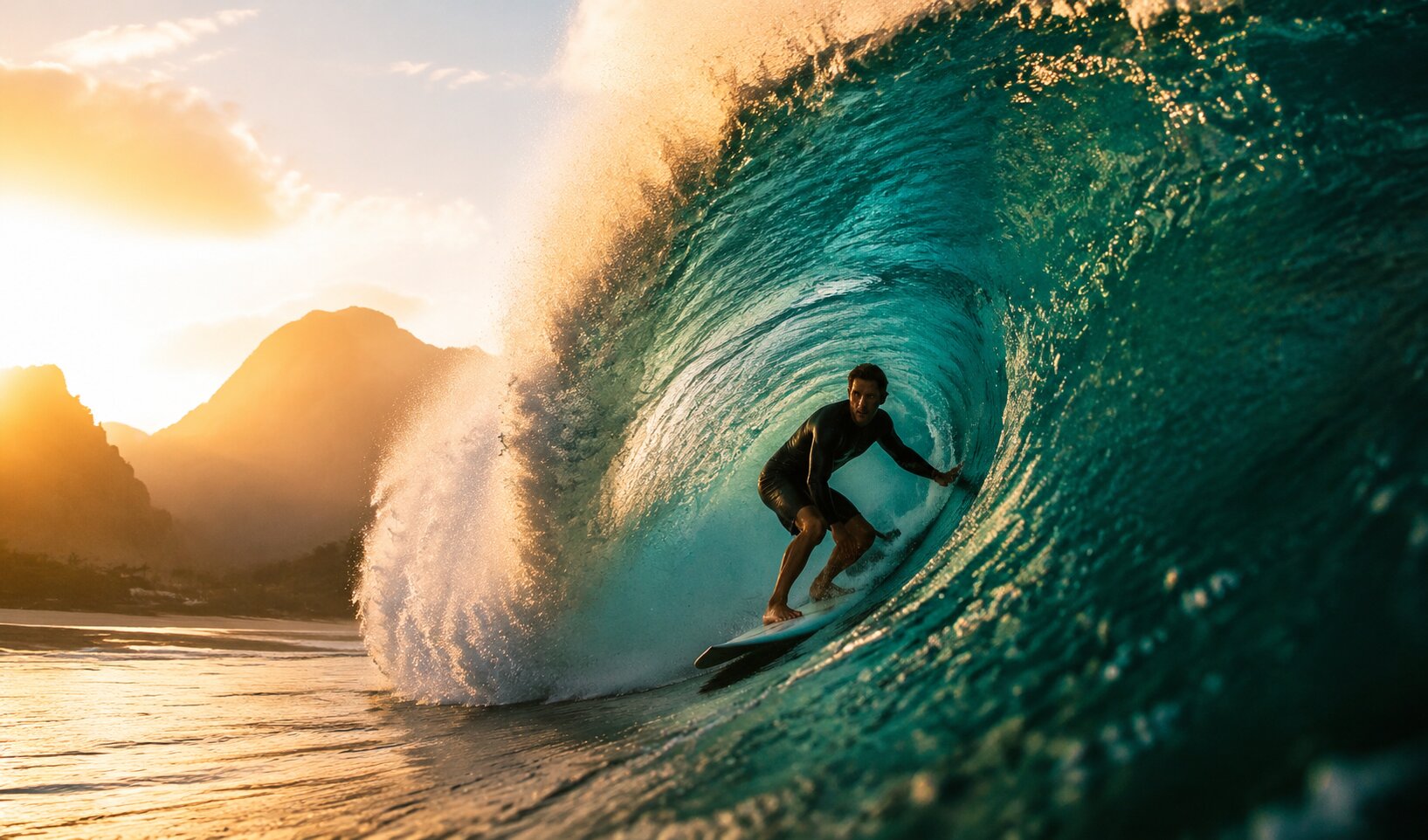
The Secret of Being Fully Alive
Have you ever been so absorbed in an activity that you forgot to check your phone, forgot the time, and even forgot yourself?
Perhaps it happened while solving a difficult problem, playing a sport, writing, cooking, learning a new skill, or having a deeply engaging conversation. Hours passed, but it felt like minutes. You were not forcing yourself to concentrate—you simply were concentrated.
That experience is called flow.
In his influential book Flow: The Psychology of Optimal Experience, psychologist Mihaly Csikszentmihalyi explains that happiness is not mainly about pleasure, money, or comfort. It comes from being intensely engaged in a meaningful challenge.
The Sweet Spot Between Boredom and Anxiety
Flow happens when a task sits in the right zone:
- If it is too easy, we become bored.
- If it is far beyond our current ability, we become anxious or discouraged.
- If it is challenging but manageable, we become deeply involved.
Think of a video game: each level becomes a little harder as you improve. If the game never challenges you, you quit. If the first level is impossible, you also quit. The best games keep you stretching without crushing you.
Life works the same way.
A surgeon may experience flow during a difficult operation. A musician may feel it while performing. A programmer may enter it while solving a complex problem. Even a parent, gardener, or student can find it in an activity that demands complete attention.
They can all enter flow when the task requires skill, attention, and effort—but still feels possible.
What Flow Feels Like
When people enter flow, several things tend to happen:
- Their attention becomes completely focused.
- Self-doubt and excessive self-consciousness fade.
- Time seems to move unusually fast—or sometimes slow down.
- The activity becomes rewarding in itself.
- They feel a sense of control, even during difficulty.
This is why a runner may enjoy a hard run, or a writer may spend hours revising a paragraph. The effort is real, but it does not feel empty. The challenge itself becomes meaningful.
How to Create More Flow
Flow cannot be switched on like a light. But we can create the right conditions for it.
1. Choose one clear goal
Vague work scatters attention. Instead of saying, “I will study,” choose a specific target: “I will complete 20 practice questions in the next 45 minutes.”
A clear goal gives the mind a destination.
2. Match the challenge to your skill
If a task feels overwhelming, reduce its size. Do not try to master an entire subject in one sitting. Choose the next meaningful step.
If it feels boring, raise the difficulty: add a timer, aim for greater quality, or work on a more demanding version of the task.
3. Remove interruptions
Flow needs uninterrupted attention. Put the phone away, close unnecessary browser tabs, silence notifications, and give one task your full focus for a set period.
Even a 30- to 60-minute block of protected concentration can be powerful.
4. Get immediate feedback
We stay engaged when we can see whether we are improving. A chess player sees the board change. A musician hears a wrong note. A student checks answers. A salesperson tracks calls and responses.
Create your own feedback loop: use a checklist, measure progress, test yourself, or review your output frequently.
5. Focus on the process, not just the reward
Money, praise, and results matter—but they are not enough to sustain deep engagement. Flow grows when you find satisfaction in the activity itself: learning, building, improving, solving, creating.
The person who enjoys becoming better is more likely to keep going than the person who only waits for applause.
A Better Definition of Happiness
The central message of Flow is both simple and profound: a fulfilling life is not built by avoiding difficulty. It is built by choosing worthwhile difficulties.
Comfort can feel pleasant, but growth requires effort. When we develop our skills and give our full attention to meaningful challenges, life becomes richer.
The book offers a powerful lesson: a good life is not built by chasing constant entertainment. It is built by choosing worthwhile challenges, improving our skills, and giving our full attention to what matters.
In a distracted world, flow is more than productivity. It is one of the clearest ways to feel focused, capable, and fully alive.