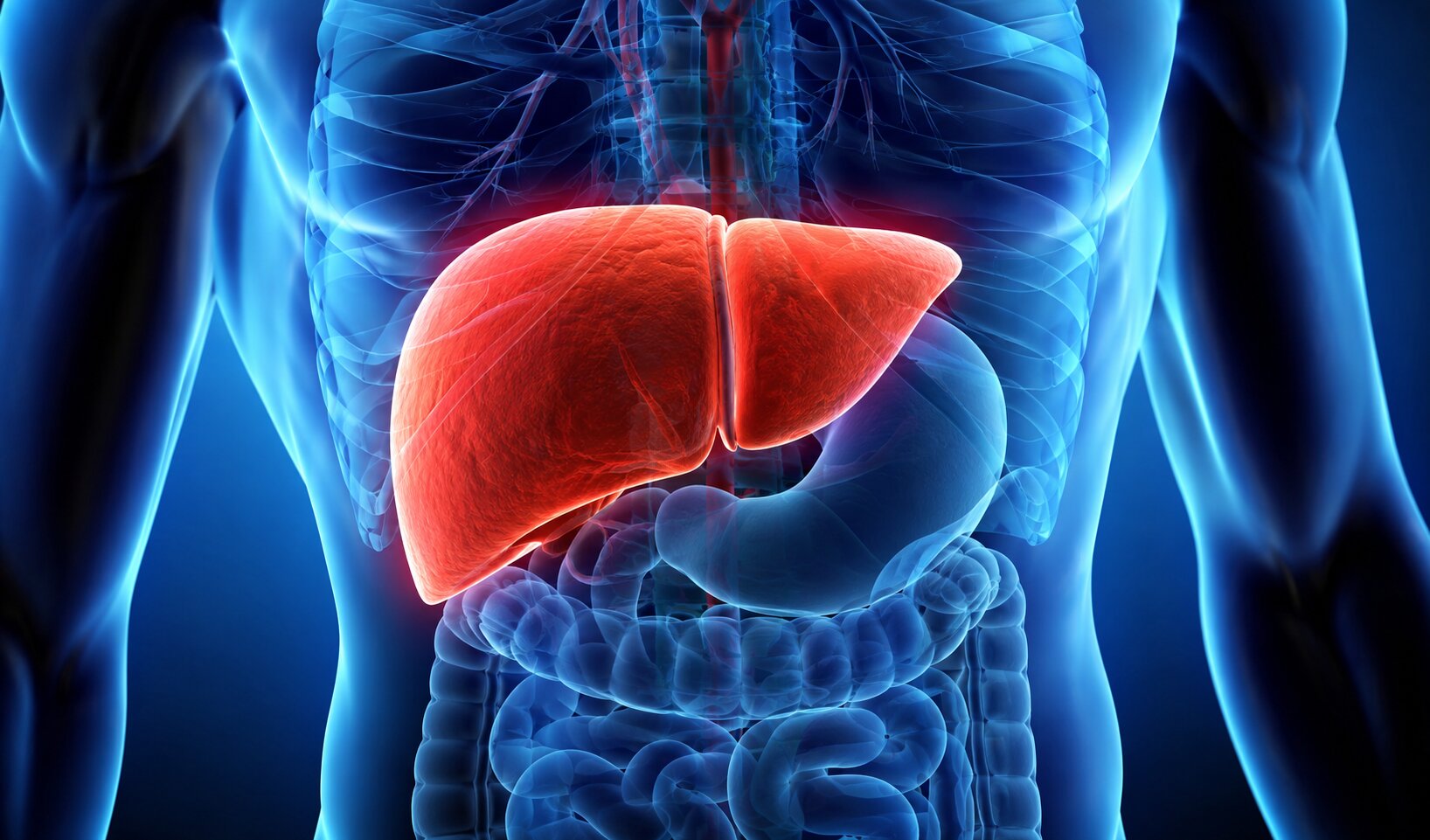
The liver is one of the body’s most important organs. It performs over 500 vital functions that help keep you healthy. Its main functions include:
- Produces bile – Bile helps digest fats and absorb fat-soluble vitamins (A, D, E, and K).
- Processes nutrients – After food is digested, the liver processes carbohydrates, proteins, and fats, converting them into forms the body can use or store.
- Regulates blood sugar – It stores glucose as glycogen and releases it when your blood sugar drops, helping maintain stable blood glucose levels.
- Detoxifies harmful substances – The liver breaks down alcohol, medications, and toxins so they can be safely removed from the body.
- Produces important proteins – These include:
- Albumin, which helps maintain fluid balance in the bloodstream.
- Clotting factors, which are essential for stopping bleeding.
- Stores vitamins and minerals – It stores vitamins A, D, E, K, and B12, as well as iron and copper, for future use.
- Removes waste products – The liver converts ammonia (a toxic byproduct of protein metabolism) into urea, which is excreted by the kidneys in urine.
- Supports the immune system – Specialized liver cells help remove bacteria, viruses, and damaged cells from the blood.
- Breaks down old red blood cells – It helps recycle components such as iron from worn-out red blood cells.
- Produces cholesterol and other substances – The liver makes cholesterol and other fats that are needed to build cell membranes and produce certain hormones.
In summary, the liver acts as the body’s chemical processing plant. It:
- Digests and processes nutrients
- Removes toxins
- Stores energy and nutrients
- Produces bile and essential proteins
- Regulates blood sugar
- Supports immunity and blood clotting
Because it performs so many critical functions, keeping the liver healthy through a balanced diet, regular exercise, limiting alcohol, maintaining a healthy weight, and avoiding unnecessary medications is important.