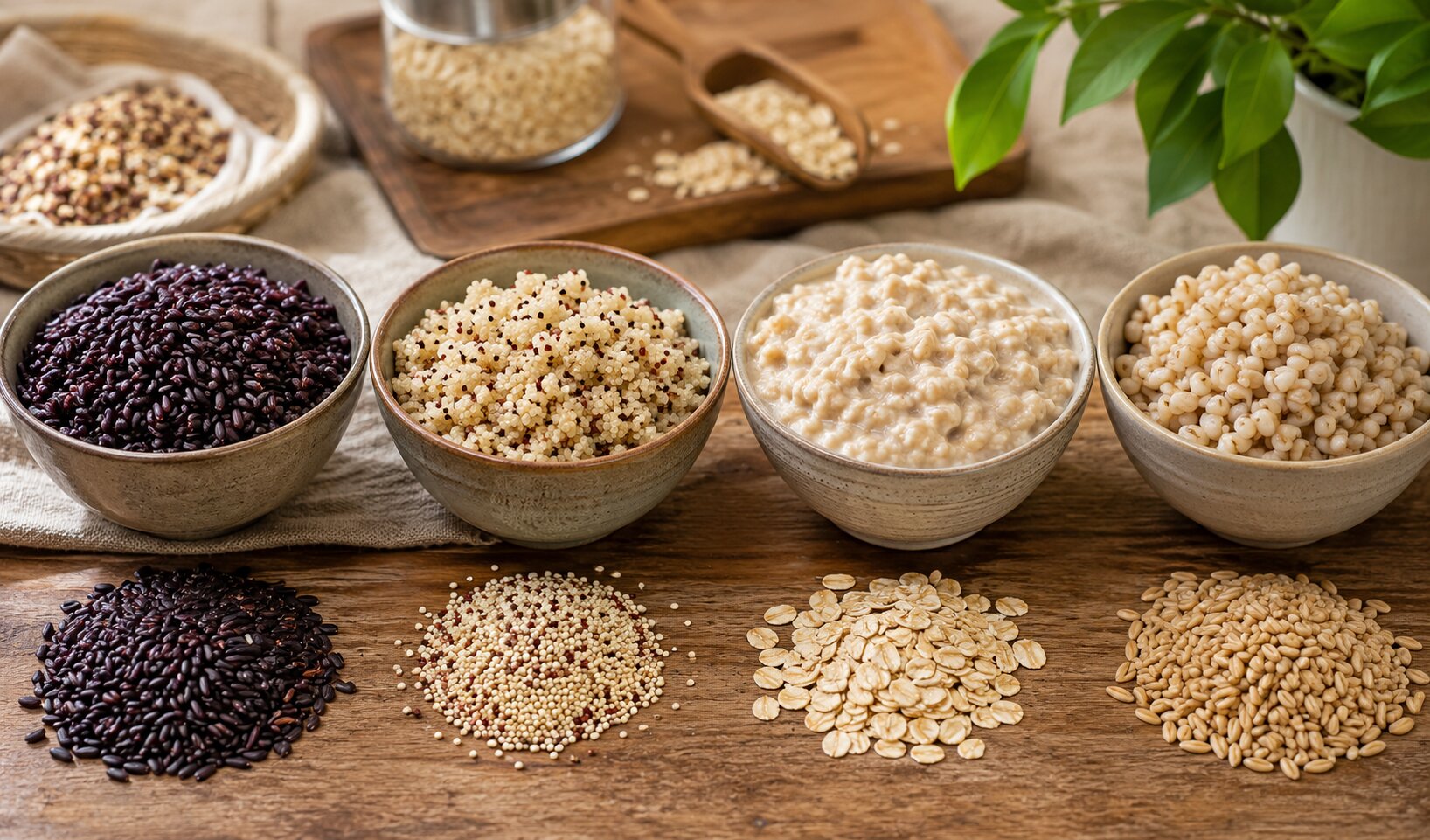
Here’s a detailed comparison of 1 cup cooked black rice, quinoa, oats, and whole (hulled) barley.
Nutrition Comparison (1 Cup Cooked)
| Nutrient | Black Rice | Quinoa | Oats | Whole Barley |
|---|---|---|---|---|
| Calories | ~200 kcal | ~222 kcal | ~165 kcal | ~190 kcal |
| Protein | ~5 g | 8 g | 6 g | 4 g |
| Carbohydrates | 45 g | 39 g | 27 g | 44 g |
| Fiber | 3–4 g | 5 g | 4 g | 6–8 g |
| Fat | 1.5 g | 3.5 g | 3.5 g | 1 g |
| Glycemic Index | 42–55 | ~53 | ~55 | 25–30 |
| Gluten | No | No | Naturally gluten-free* | Contains gluten |
*Oats are naturally gluten-free but are often processed in facilities that also handle wheat unless certified gluten-free.
1. Heart Health ❤️
🥇 Winner: Whole Barley
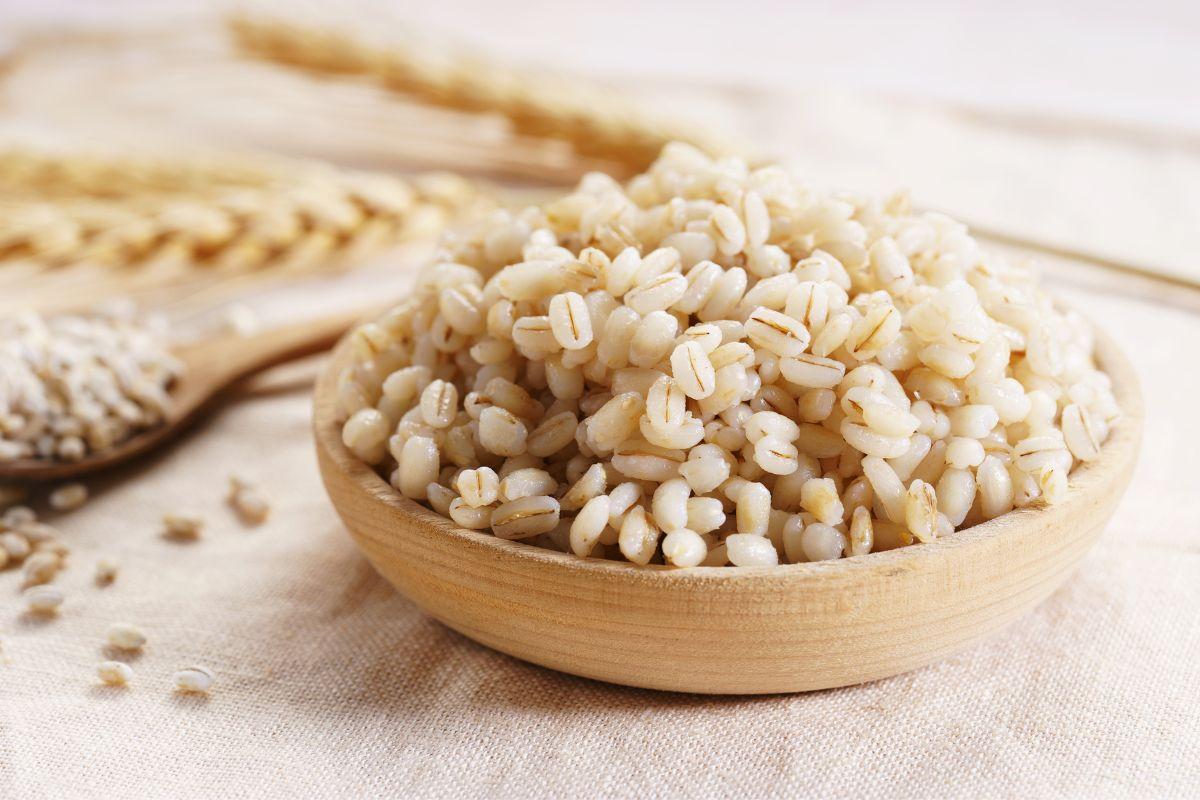
Barley contains the highest amount of beta-glucan, a soluble fiber proven to lower LDL cholesterol and support cardiovascular health.
Ranking
- 🥇 Whole Barley
- 🥈 Oats
- 🥉 Quinoa
- 🏅 Black Rice
2. Lowering LDL Cholesterol
🥇 Winner: Whole Barley
| Grain | LDL-Lowering Ability |
|---|---|
| Whole Barley | ⭐⭐⭐⭐⭐ |
| Oats | ⭐⭐⭐⭐ |
| Quinoa | ⭐⭐⭐ |
| Black Rice | ⭐⭐⭐ |
Barley and oats are particularly effective because of their beta-glucan content.
3. Blood Sugar Control
🥇 Winner: Whole Barley
| Grain | Glycemic Index |
|---|---|
| Whole Barley | 25–30 |
| Black Rice | 42–55 |
| Quinoa | ~53 |
| Oats | ~55 |
Lower GI foods generally produce a slower rise in blood glucose.
4. Gut Health
🥇 Winner: Whole Barley
Barley provides:
- Highest fiber
- Beta-glucan
- Resistant starch
These nourish beneficial gut bacteria.
5. Weight Loss
🥇 Winner: Whole Barley
Higher fiber means:
- Greater fullness
- Reduced hunger
- Better calorie control
Quinoa ranks second because of its higher protein content.
6. Protein
🥇 Winner: Quinoa
| Grain | Protein |
|---|---|
| Quinoa | 8 g |
| Oats | 6 g |
| Black Rice | 5 g |
| Barley | 4 g |
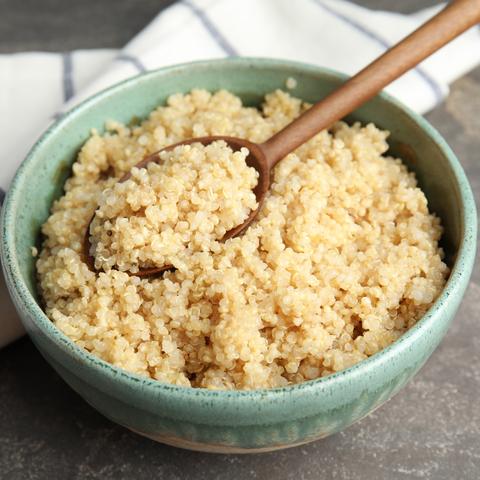
Quinoa is a complete protein, meaning it contains all nine essential amino acids.
7. Antioxidants
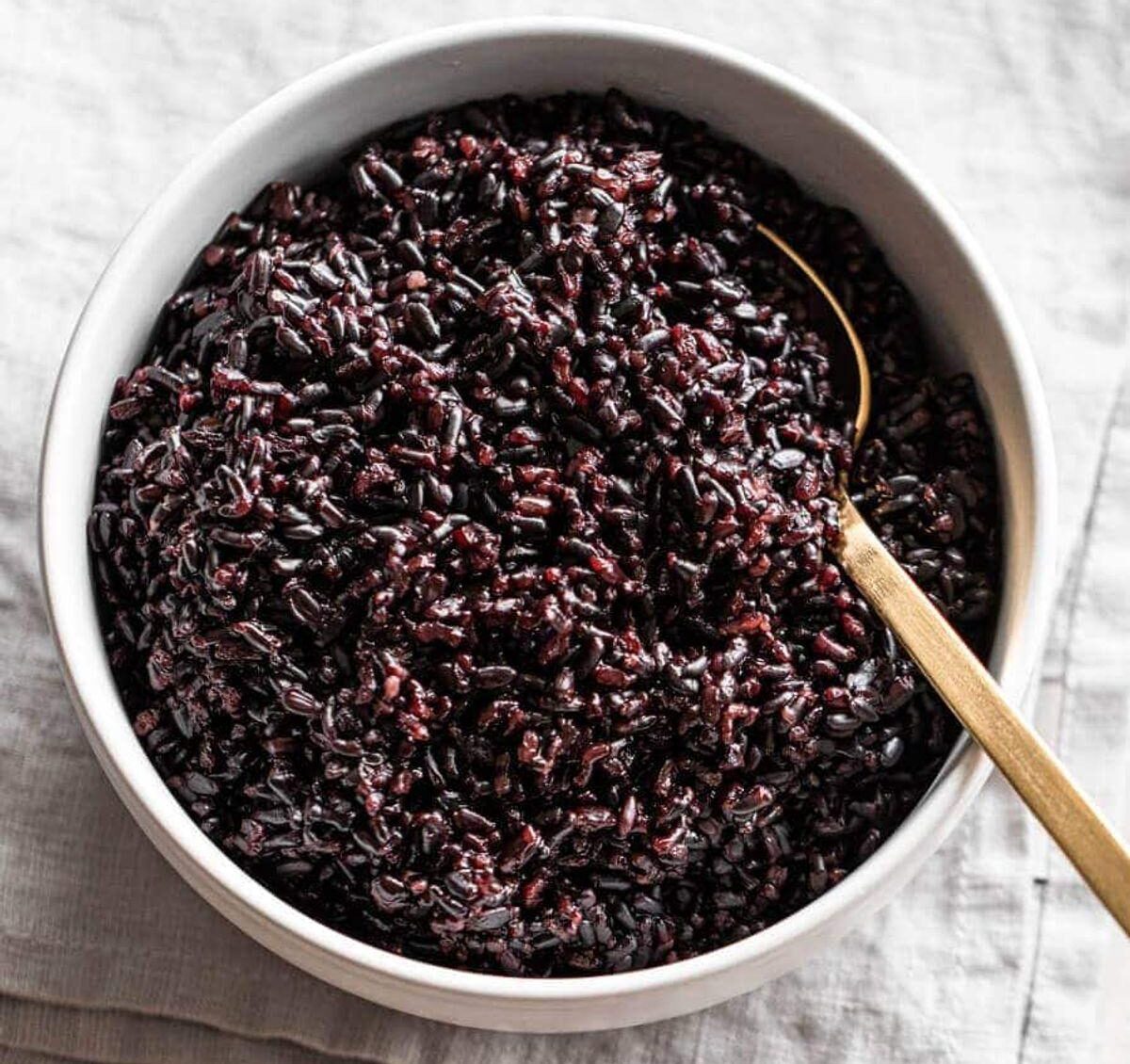
🥇 Winner: Black Rice
Black rice is rich in anthocyanins, the same pigments found in blueberries and blackberries.
These antioxidants help reduce oxidative stress and inflammation.
8. Anti-Inflammatory Effects
🥇 Winner: Black Rice
Anthocyanins provide black rice with a notable anti-inflammatory advantage.
9. Vitamins & Minerals
🥇 Winner: Quinoa
Quinoa is an excellent source of:
- Magnesium
- Iron
- Phosphorus
- Manganese
- Folate
It is one of the most nutrient-dense grains (technically a seed) available.
10. Muscle Building
🥇 Winner: Quinoa
Reasons:
- Highest protein
- Complete amino acid profile
- Rich in magnesium, which supports muscle function
11. Athletic Performance
🥇 Winner: Quinoa
Quinoa provides a balanced combination of:
- Complex carbohydrates
- Protein
- Electrolytes
- Magnesium
making it well suited for active individuals.
12. Longevity
🥇 Winner: Whole Barley
Diets rich in whole grains, especially high-fiber grains like barley, are associated with lower risks of heart disease, type 2 diabetes, and premature death.
Overall Winners
| Category | Winner |
|---|---|
| Heart Health | 🥇 Whole Barley |
| LDL Cholesterol | 🥇 Whole Barley |
| Blood Sugar | 🥇 Whole Barley |
| Fiber | 🥇 Whole Barley |
| Gut Health | 🥇 Whole Barley |
| Weight Loss | 🥇 Whole Barley |
| Protein | 🥇 Quinoa |
| Vitamins & Minerals | 🥇 Quinoa |
| Complete Protein | 🥇 Quinoa |
| Athletic Nutrition | 🥇 Quinoa |
| Antioxidants | 🥇 Black Rice |
| Anti-inflammatory | 🥇 Black Rice |
Overall Rankings
🥇 1. Whole Barley — Best for Heart & Metabolic Health
- Highest fiber
- Highest beta-glucan
- Best for LDL cholesterol
- Best for blood sugar control
- Excellent for gut health and fullness
🥈 2. Quinoa — Most Nutrient-Dense
- Highest protein
- Complete protein
- Rich in magnesium, iron, and folate
- Naturally gluten-free
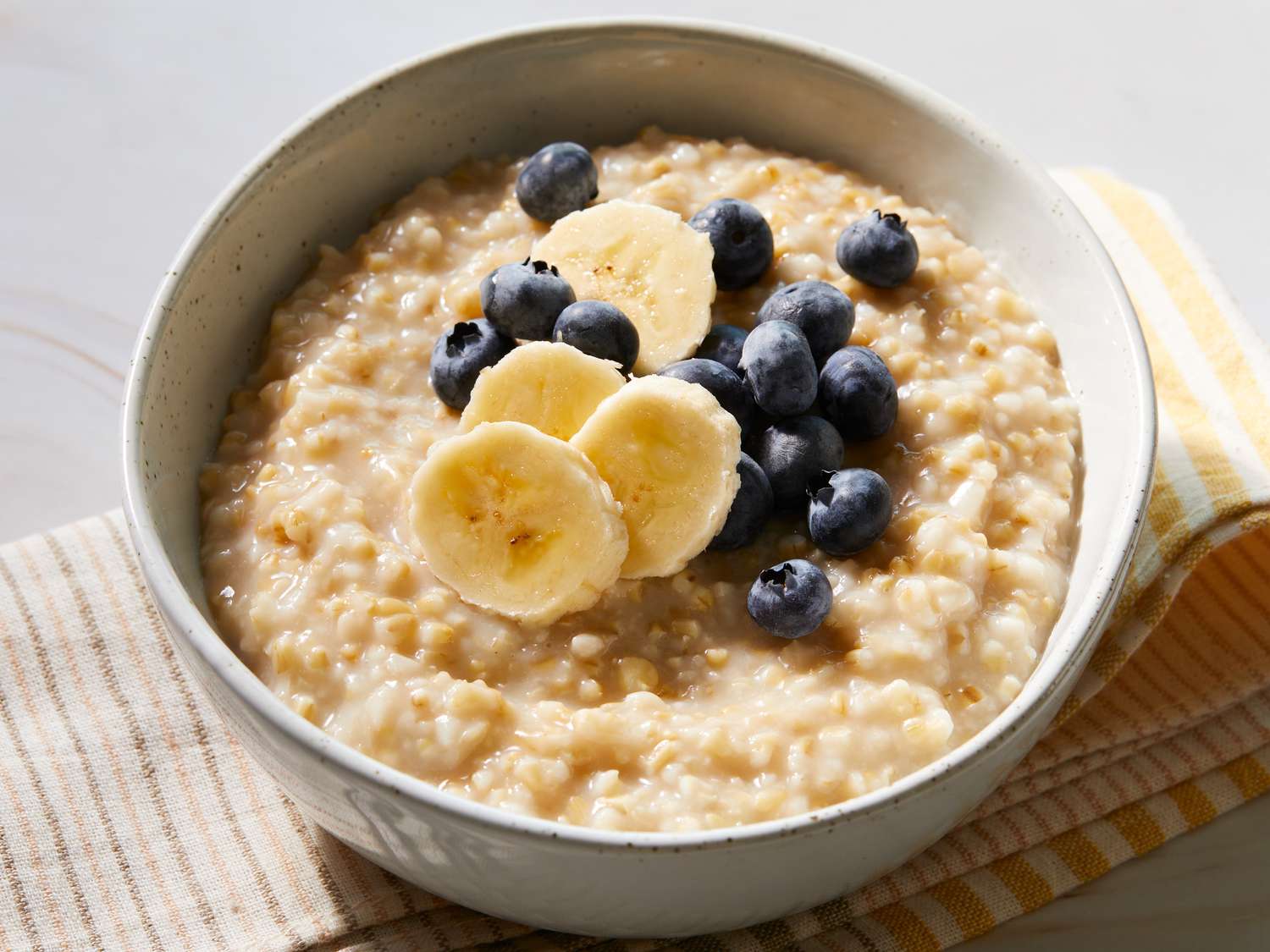
🥉 3. Oats — Excellent Everyday Breakfast Grain
- Good protein
- Good beta-glucan
- Supports heart health
- Easy to prepare
🏅 4. Black Rice — Best for Antioxidants
- Exceptional anthocyanin content
- Supports anti-inflammatory health
- Adds color, flavor, and phytonutrient diversity
For your goals
Because you’re aiming to lower LDL cholesterol, maintain a healthy weight, and support long-term cardiovascular health, I’d prioritize these foods as follows:
- Daily breakfast: Oats with fruit and non-fat curd or Greek yogurt for protein.
- Most lunches/dinners: Whole barley as your primary grain.
- A few meals each week: Quinoa to boost protein and minerals.
- Occasionally: Black rice for its unique antioxidant benefits and variety.
This rotation lets you take advantage of each food’s strengths instead of relying on a single grain.