
What people commonly call a “mini heart attack” is medically known as an NSTEMI (Non-ST-segment Elevation Myocardial Infarction). Despite the mild-sounding nickname, it is still a serious medical emergency where actual heart muscle damage occurs.
Here is exactly what happens behind the scenes, why it happens, and what it feels like.
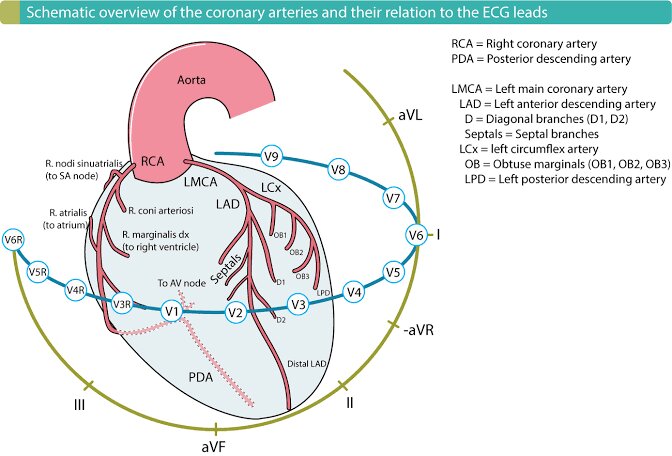
Why and How It Happens: The Core Mechanism
The primary difference between a massive heart attack and a mini heart attack comes down to total vs. partial blockage of blood flow to the heart muscle.
-
The Setup: Over years, cholesterol, fat, and other substances build up on the inner walls of these arteries, forming a hard material called plaque. This narrows the channel for blood flow.
-
The Trigger: A mini heart attack usually happens when a piece of this plaque cracks or ruptures.
-
The Partial Block: In response to the rupture, your body rushes blood cells called platelets to the site to form a clot. In a “mini” heart attack, this blood clot only partially blocks the artery, or blocks a very small, minor branch of the coronary network.
-
Ischemia: Because the blockage is incomplete, some blood and oxygen still trickle through, but it isn’t enough to satisfy the heart muscle’s demands. The affected muscle tissue begins to suffer from ischemia (oxygen starvation) and sustains localized damage, but it doesn’t die off completely as it would with a 100% blockage.
What Happens During an Episode?
Because the blockage is partial, the symptoms can sometimes be subtler than the classic, dramatic crushing chest pain seen in movies, leading people to mistake them for indigestion, muscle strain, or anxiety.
The Common Symptoms
-
Chest discomfort: A feeling of pressure, squeezing, fullness, or a dull ache in the center of the chest that may come and go.
-
Radiating pain: Discomfort that travels down the left arm, or up into the neck, jaw, back, or stomach.
-
Shortness of breath: Feeling winded while resting or doing minimal activity.
-
Unexplained fatigue or dizziness: Feeling suddenly lightheaded, cold-sweating, or unusually exhausted.
Note on Gender Differences: Women, elderly individuals, and people with diabetes are significantly more likely to experience atypical symptoms during a mini heart attack, such as severe fatigue, nausea, or isolated back and jaw pain without any noticeable chest pressure.
Diagnosing a Mini Heart Attack
Because a mini heart attack doesn’t completely block the artery, it often does not show the classic emergency patterns on a standard EKG/ECG machine (which is why it’s called a Non-ST-Elevation MI).
To confirm it, doctors must rely on a troponin blood test. Troponin is a specific protein found only in heart muscle cells. When heart cells are damaged or dying due to lack of oxygen, they leak troponin into the bloodstream. If a blood test detects elevated troponin levels, it confirms that a heart attack has taken place, even if the EKG looked relatively normal.
A mini heart attack serves as a major warning sign. Statistically, it indicates a highly elevated risk of a massive, fully-blocking heart attack in the near future if the underlying plaque accumulation and arterial health aren’t actively treated with lifestyle changes, medications, or medical procedures like stenting.