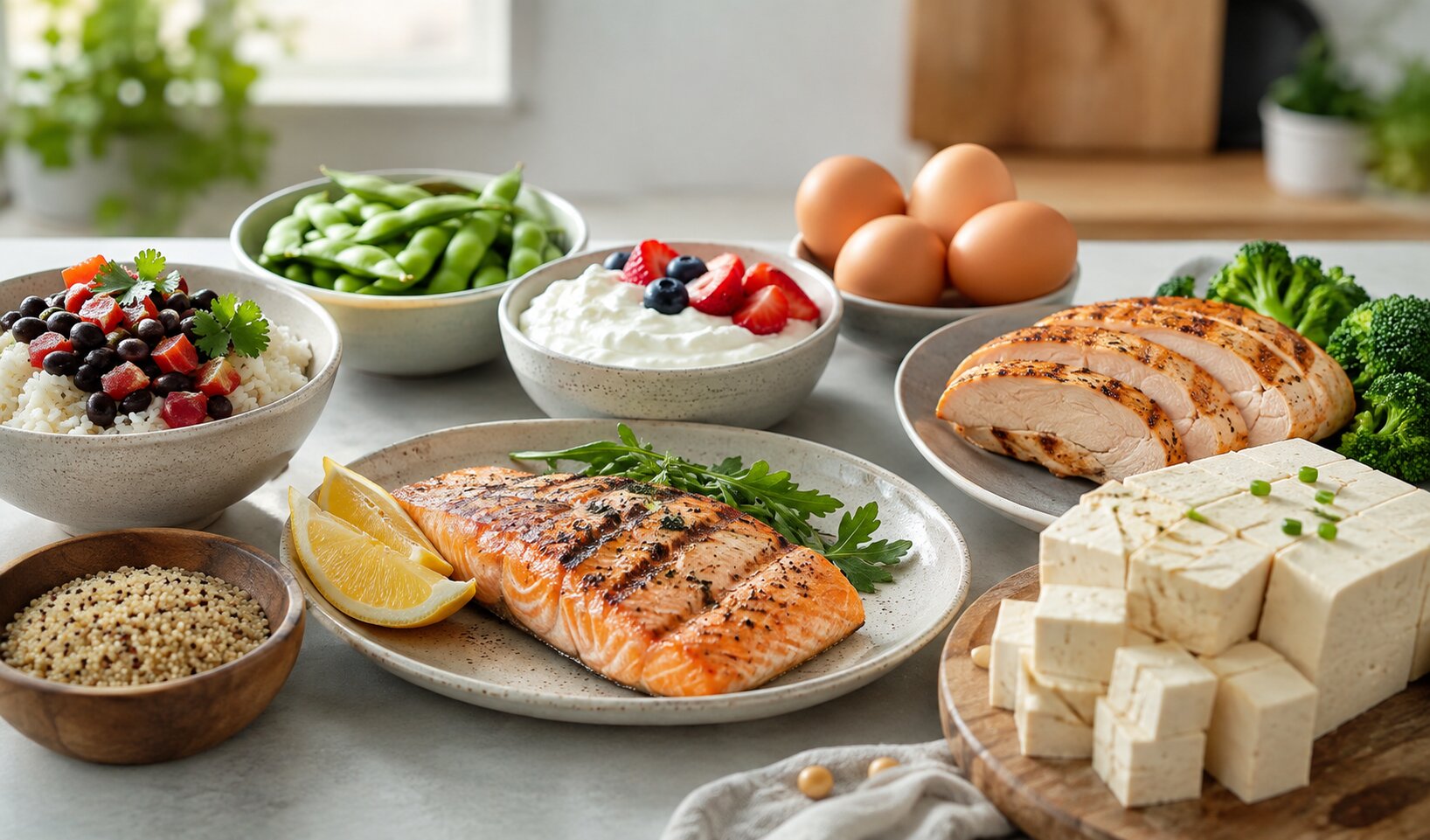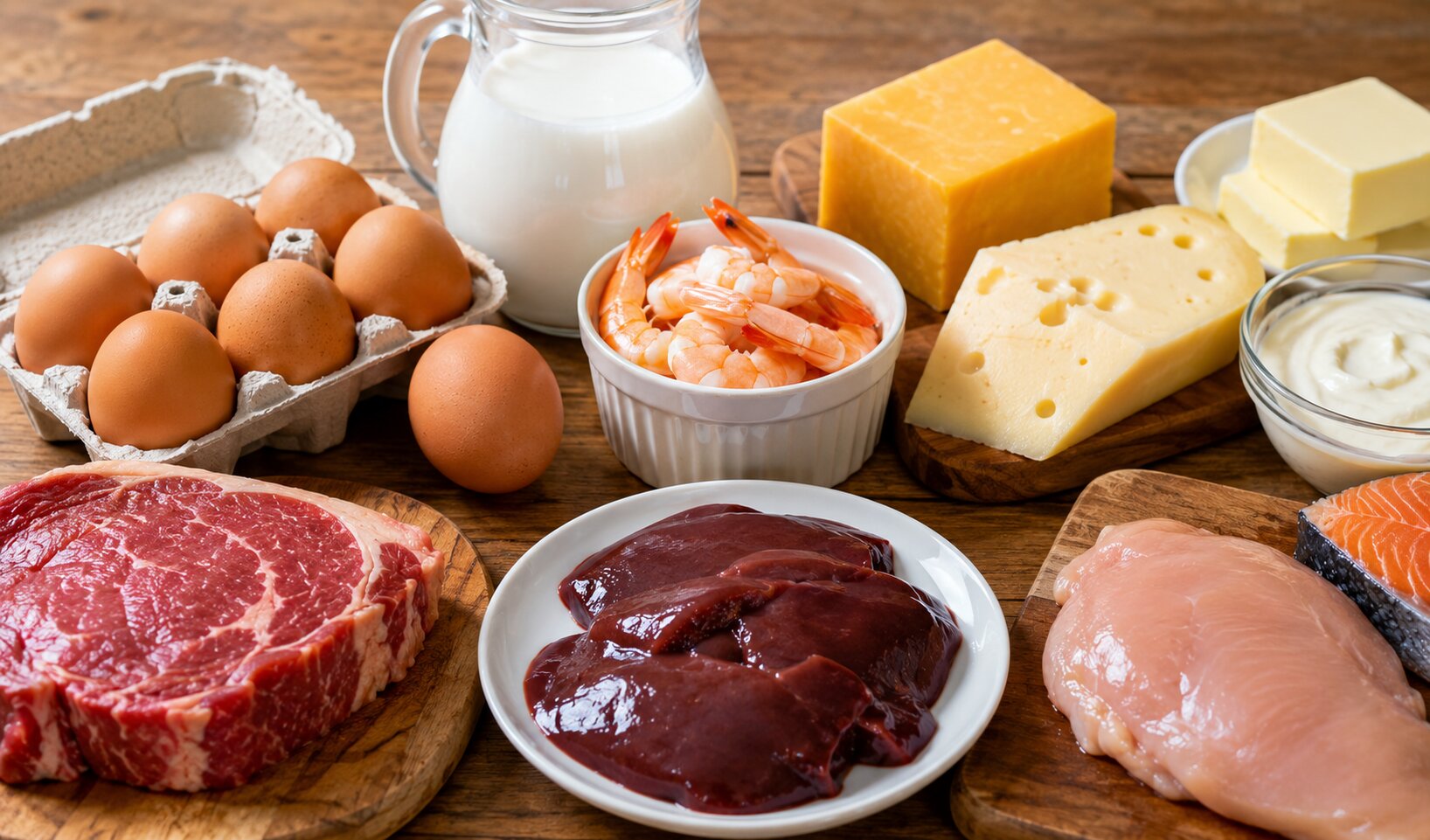
One surprising fact is that cholesterol is found only in foods from animals. Plants do not contain cholesterol.
However, that’s only part of the story. For many people, the foods that raise LDL cholesterol the most aren’t necessarily the foods with the most cholesterol—they’re often foods high in saturated and trans fats.
Foods high in cholesterol
These foods naturally contain cholesterol:
Very high in cholesterol
- Beef liver and other organ meats
- Egg yolks
- Shrimp
- Squid
- Caviar
Moderate to high in cholesterol
- Beef
- Pork
- Lamb
- Chicken (especially with skin)
- Turkey
- Cheese
- Butter
- Whole milk
- Cream
- Ice cream
Foods with zero cholesterol
All plant foods contain 0 mg of cholesterol, including:
- Fruits
- Vegetables
- Beans and lentils
- Rice
- Oats
- Whole grains
- Nuts
- Seeds
- Olive oil
- Avocados
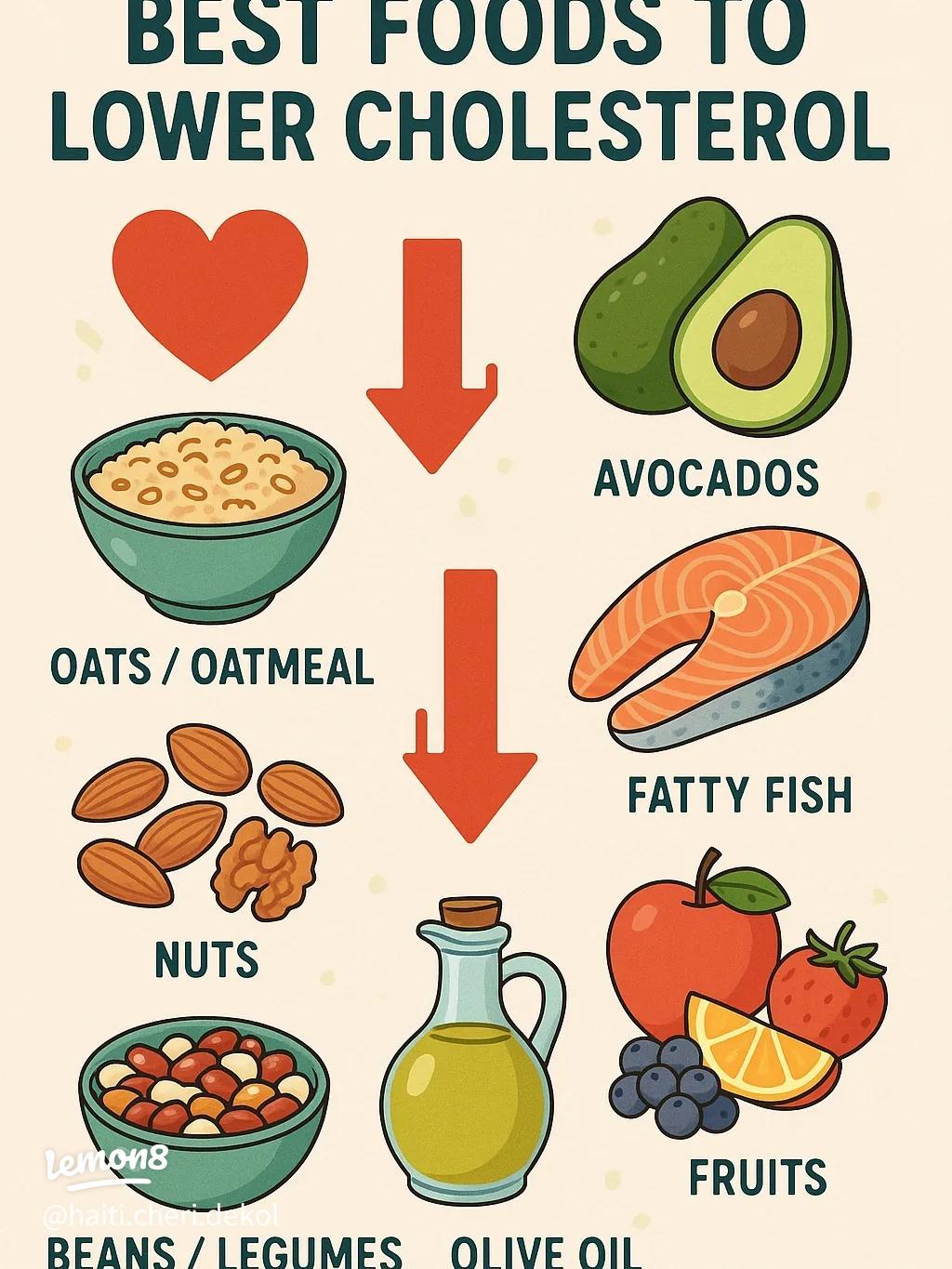
Even though coconut oil and palm oil contain no cholesterol, they are high in saturated fat and can raise LDL cholesterol in many people.
Which foods raise LDL the most?
This is where many people get confused.
An egg contains about 185 mg of cholesterol, yet in most healthy people, eating eggs has only a modest effect on blood LDL.
By contrast:
- Butter
- Fatty cuts of beef
- Bacon
- Sausages
- Cheese
- Processed baked goods containing trans fats (where still present)
often have a larger impact because they are rich in saturated or trans fats, which stimulate the liver to produce more LDL cholesterol.
The liver makes most of your cholesterol
Here’s another surprising fact:
Your body makes about 70–80% of its cholesterol, primarily in the liver. Only about 20–30% comes directly from your diet, although this varies among individuals.
If you eat very little cholesterol, your liver usually makes more.
If you eat more cholesterol, your liver often makes less.
This feedback system is why dietary cholesterol doesn’t affect everyone’s blood cholesterol to the same extent.
Practical advice
Since you’ve mentioned previously that your LDL cholesterol is elevated, focus more on your overall eating pattern than on avoiding every food with cholesterol.
A heart-healthy approach is to:
- Eat plenty of vegetables, fruits, beans, and whole grains.
- Replace butter with olive oil.
- Choose fish, skinless poultry, or legumes more often than red meat.
- Enjoy eggs in moderation unless your doctor has advised otherwise.
- Limit processed meats, full-fat dairy, and foods high in saturated fat.
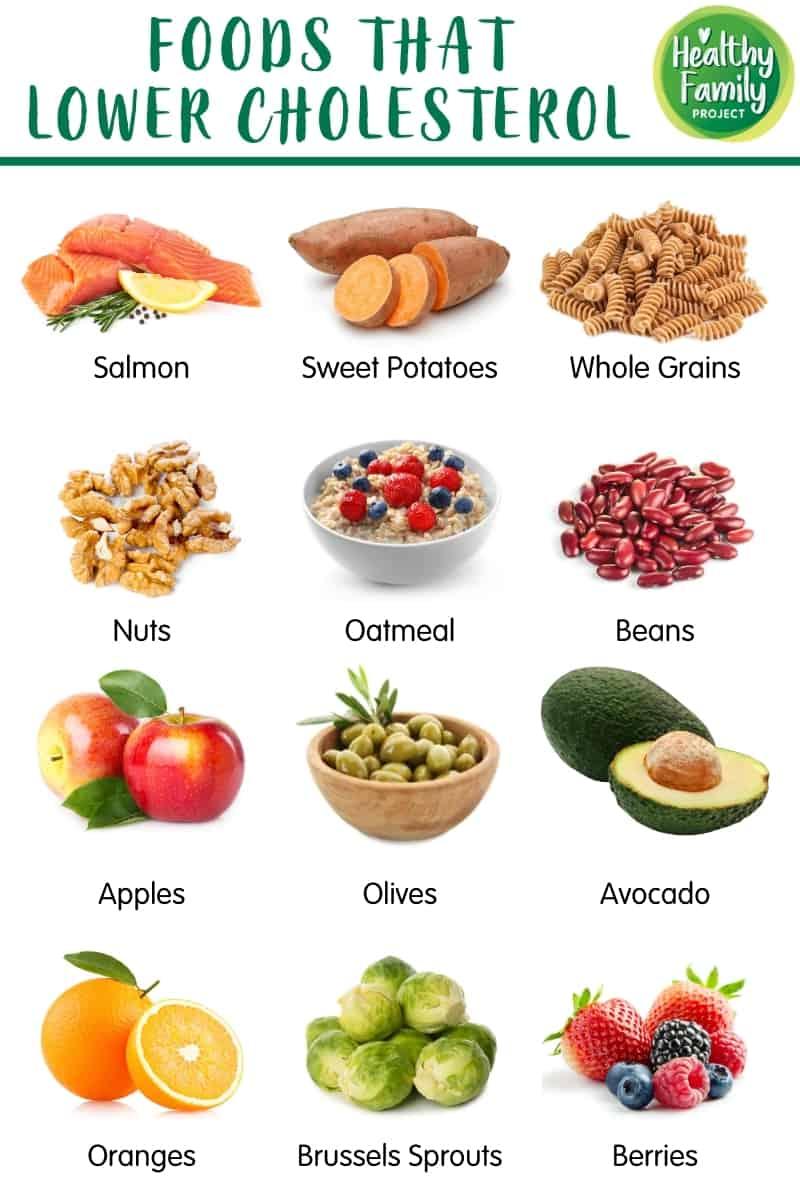
- Include soluble fiber (such as oats, beans, apples, and barley), which can help lower LDL cholesterol.
The takeaway is simple:
- Only animal foods contain cholesterol.
- Plant foods contain no cholesterol.
- Saturated and trans fats often have a greater effect on raising LDL cholesterol than dietary cholesterol itself.