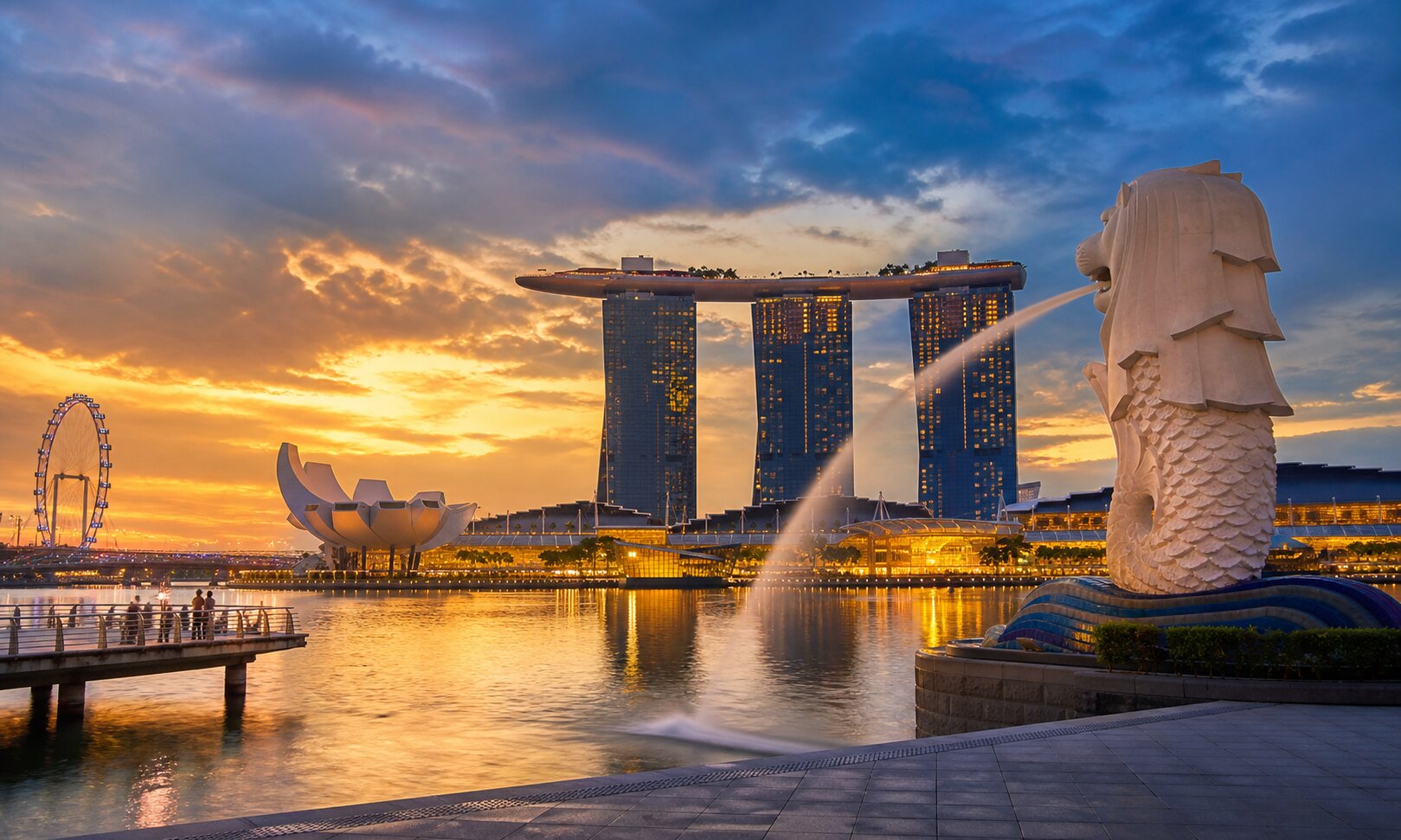
Singapore is often praised for its economic development and efficient governance, but it has faced criticism for its restrictions on certain civil liberties and political freedoms.
Here are some areas where rights are considered limited:
1. Freedom of Speech and Expression
- Defamation Laws: Singapore has stringent defamation laws, and public figures have used them to sue critics, including opposition politicians and journalists.
- Sedition Act: The Sedition Act criminalizes speech that could incite hostility or hatred, leading to limitations on discussing sensitive issues such as race or religion.
- Censorship: Media outlets, films, and online content are regulated to prevent content deemed harmful to social harmony, morality, or national security.
- Public Criticism: Criticizing the government can lead to lawsuits or investigations, which can have a chilling effect on open discussion.
2. Freedom of the Press
- Government Influence: Major media outlets like The Straits Times are closely linked to the government, reducing the diversity of viewpoints.
- Licensing Requirements: Publications and websites must obtain licenses, and failure to comply can result in shutdowns.
- Repressive Legislation: The Protection from Online Falsehoods and Manipulation Act (POFMA) allows authorities to issue correction orders and take down online content they consider false.
3. Freedom of Assembly
- Permits Required: Public gatherings of more than five people require a police permit, effectively restricting spontaneous protests.
- Limited Venues for Protest: Protests are mostly confined to designated areas like Speakers’ Corner in Hong Lim Park, and even these require approval.
- Strict Enforcement: Unauthorized assemblies can result in fines, imprisonment, or both.
4. Political Rights
- Opposition Suppression: The ruling People’s Action Party (PAP) dominates politics, partly due to electoral practices and laws that disadvantage opposition parties.
- Gerrymandering: Electoral boundaries are redrawn in ways critics say favor the ruling party.
- Detention Without Trial: The Internal Security Act (ISA) allows for detention without trial in cases deemed threats to national security, though critics argue it is used against political dissent.
5. LGBTQ+ Rights
- Section 377A: Until its repeal in 2022, this law criminalized consensual sexual acts between men. Although the law is gone, same-sex marriage remains unrecognized, and societal acceptance is limited.
- Censorship of LGBTQ+ Content: Media content promoting LGBTQ+ themes is often restricted.
6. Freedom of Association
- NGO Regulation: Non-governmental organizations (NGOs) face tight regulations, including funding restrictions, which limit their independence.
- Trade Union Constraints: Trade unions are subject to heavy oversight, and strikes are rare due to strict legal requirements.
7. Judicial Independence Concerns
Critics argue that while the judiciary is generally respected for its efficiency, it may not be fully independent in politically sensitive cases.
8. Surveillance and Privacy
- Surveillance Systems: The government extensively monitors public spaces and online activities to ensure security but raises concerns about privacy.
- Data Collection: Programs like the TraceTogether COVID-19 app, initially for contact tracing, sparked fears about potential misuse of personal data.
Balancing Act: Security vs. Freedom
The government justifies many of these restrictions as necessary to maintain racial harmony, social stability, and economic growth. However, critics argue that these measures disproportionately stifle personal freedoms and political plurality.