Why We Misjudge Ourselves and Others
Why do we mispredict how much our emotions influence our behavior?
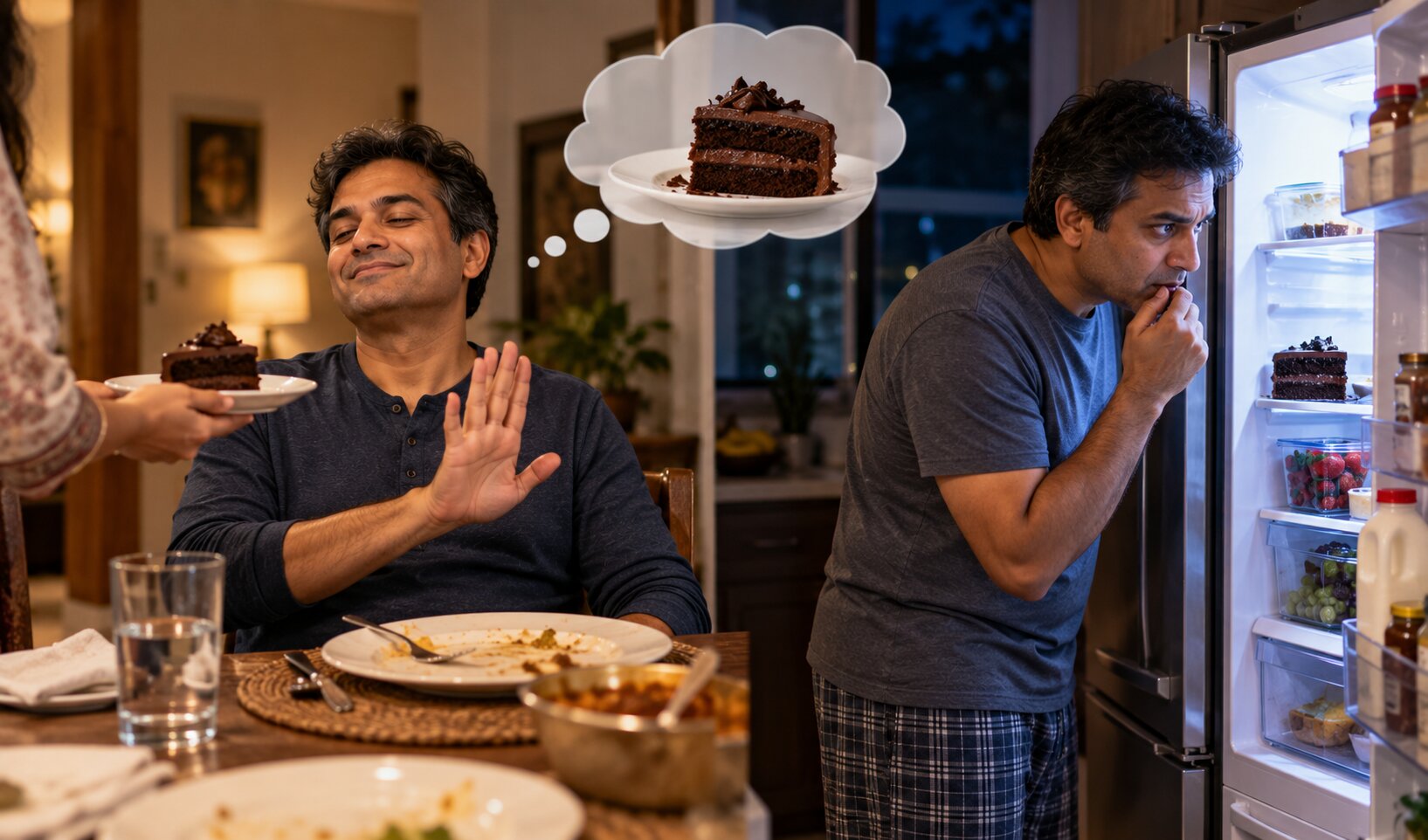
Imagine you’ve just finished a big dinner.
Someone asks:
“Do you think you’ll want dessert later?”
You confidently say:
“Absolutely not.”
Three hours later, you’re hunting for ice cream.
That disconnect is called the empathy gap—our tendency to underestimate how much our feelings, cravings, pain, fear, anger, or excitement can change our decisions.
When we are calm, we often struggle to imagine how we will think when we are emotional.
And when we are emotional, it can be just as hard to imagine thinking calmly.
For example:
A rested person may underestimate how irritable they become when sleep-deprived.
A calm person may say, “I would never lose my temper.”
A hungry shopper may buy far more food than they planned.
The same problem affects how we judge other people.
We may think:
“Why can’t they just control themselves?”
because we are not experiencing the hunger, stress, pain, or fear they are feeling.
The lesson
Before judging your future self—or someone else—ask:
“Would I think differently if I were in their emotional or physical state?”
Sometimes what looks like bad judgment is simply a different mind operating under different conditions.
Understanding that gap is one of the first steps toward better decisions—and better empathy.


