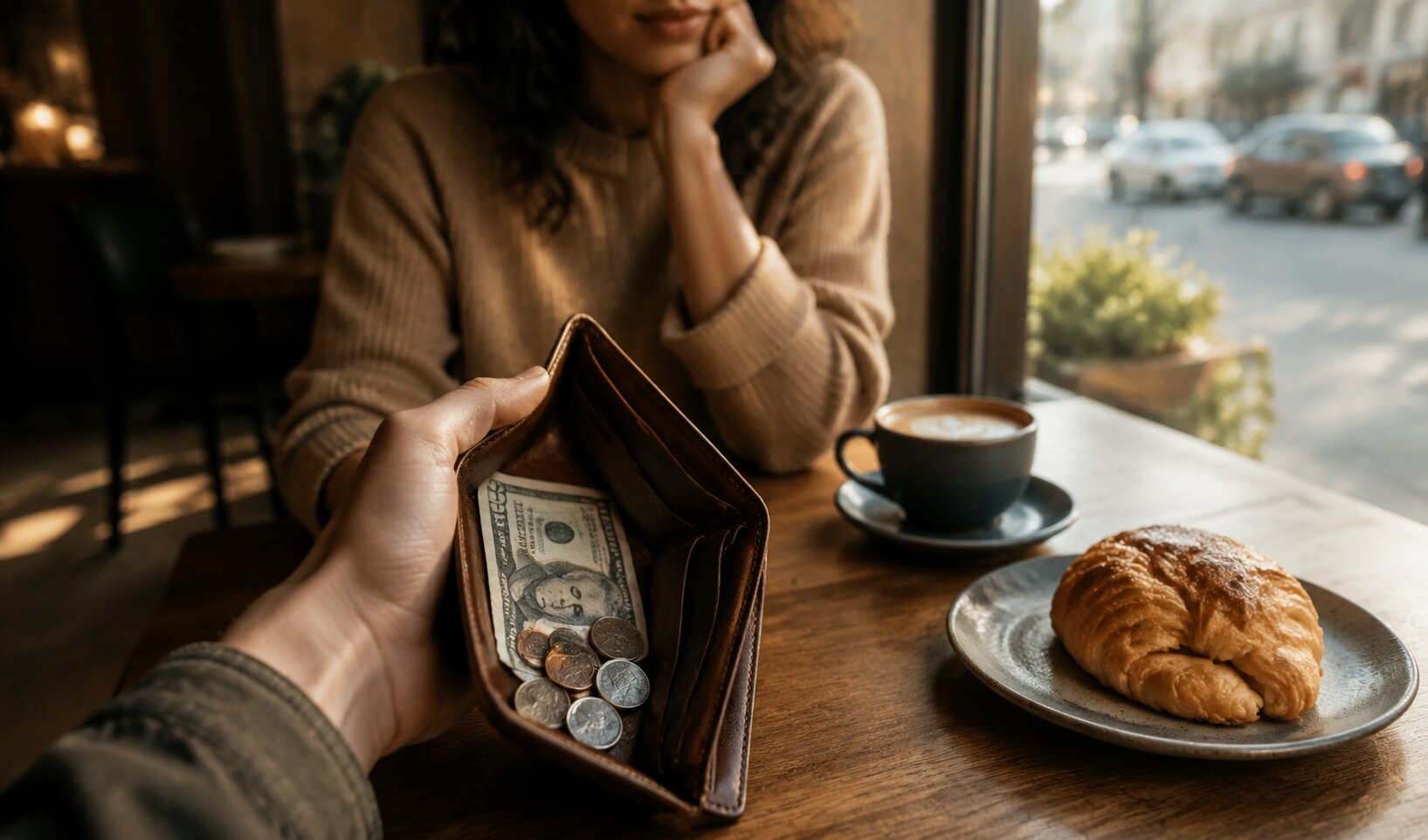
Why do we transfer negative emotions about being broke on items that we purchase?
Have you ever bought something you normally enjoy—perhaps a favorite restaurant meal—then felt oddly disappointed afterward because it used up the last of your spending money?
That is the bottom-dollar effect. We tend to like a purchase less when it drains the final dollars in a budget. The product has not changed. The meal may be just as delicious, the concert just as fun, and the new shirt just as useful. But the uncomfortable feeling of having nothing left gets attached to what we bought.
Imagine you set aside $150 each month for eating out. On the last week, you spend the final $40 on dinner with friends. You may enjoy the food, yet feel less satisfied than you would have earlier in the month—because that dinner now symbolizes the end of your freedom to spend.
The lesson is simple: our satisfaction is shaped not only by what we buy, but by what remains afterward. Leaving a small buffer in a budget can make spending feel less like loss—and more like enjoyment.