“Enthusiasm” Once Meant Having a God Inside You
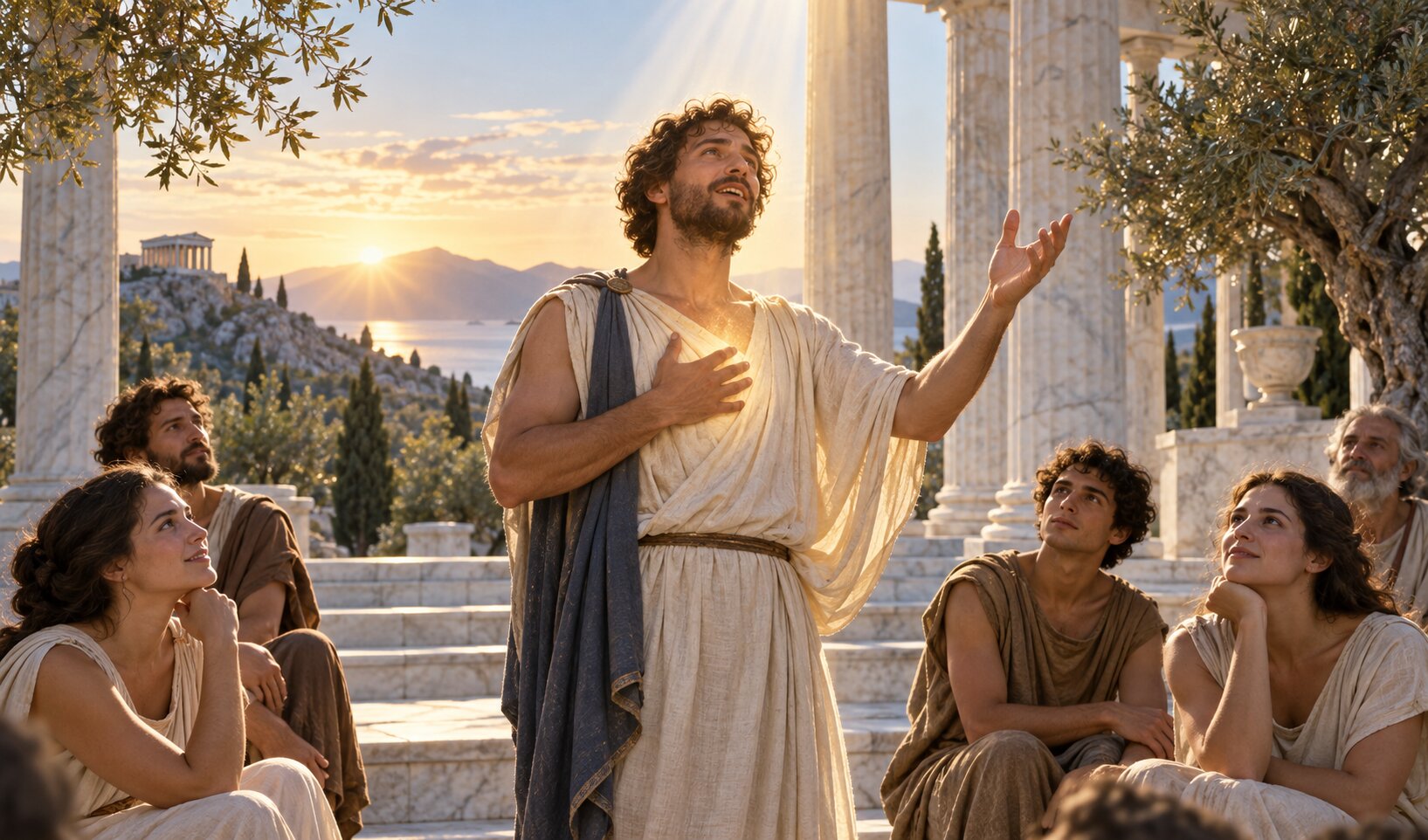
Today, enthusiasm means eager excitement. But to the ancient Greeks, an enthusiastic person was experiencing something far more dramatic: divine possession.
The word comes from Greek enthousiasmos, meaning “inspiration or possession by a god.” Behind it is entheos, formed from en—“in” or “within”—and theos—“god.” An inspired prophet, poet, or worshipper might appear to have a deity living and speaking through them.
When enthusiasm entered English in the sixteenth century, it remained strongly religious. It described people who claimed to receive revelations directly from God. The word was not always complimentary: critics used enthusiast for someone they considered a religious fanatic—overexcited, irrational, or falsely convinced of divine guidance.
During the eighteenth century, the supernatural element began to fade. Enthusiasm broadened to mean intense interest or passionate eagerness about ordinary subjects. A person could now show enthusiasm for music, science, business, or a new idea without claiming heavenly inspiration.
Here is the memorable surprise: enthusiasm and theology contain the same Greek word, theos, meaning “god.” One studies the divine; the other originally described having the divine inside you.
So when someone approaches a project with infectious enthusiasm, we use an everyday word that once suggested something extraordinary: a god had entered the person and filled them with energy. Merriam-Webster


