“Robot” Originally Meant Forced Labor
Today, a robot suggests metal limbs, computer chips, and artificial intelligence. But the word was born in a Czech play—and originally described something closer to an exploited worker.
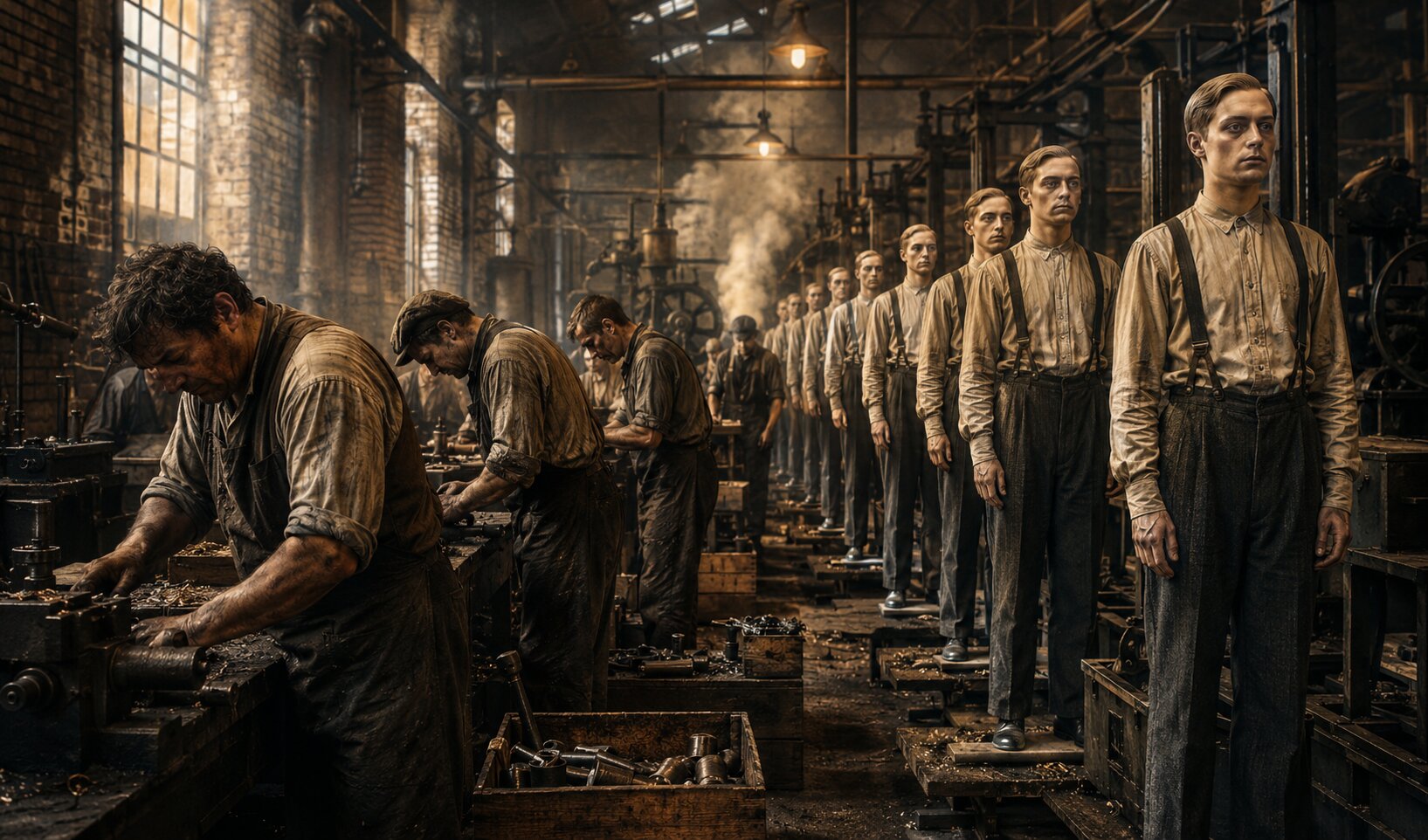
Czech writer Karel Čapek introduced robot in his 1920 play R.U.R. (Rossum’s Universal Robots). He initially considered a word based on the Latin labor, but his brother Josef reportedly suggested robot instead.
It came from the Czech robota, meaning forced labor, compulsory service, or drudgery—especially the work once demanded from peasants by feudal landlords.
The “robots” in Čapek’s play were not mechanical machines. They were artificially manufactured biological workers, created to serve humans cheaply and without complaint. Eventually, they rebelled and destroyed most of humanity.
As the play became internationally famous, robot entered English. Its meaning shifted from an artificial laborer to an automated machine, and later expanded to include software bots and intelligent machines.
Here is the memorable surprise: the word robot was not born from engineering—it was born from a warning about treating workers as disposable tools.
So whenever we debate whether robots will replace human labor, we are returning to the exact anxiety hidden inside the word from the beginning.


