How Flow Unlocks Peak Performance
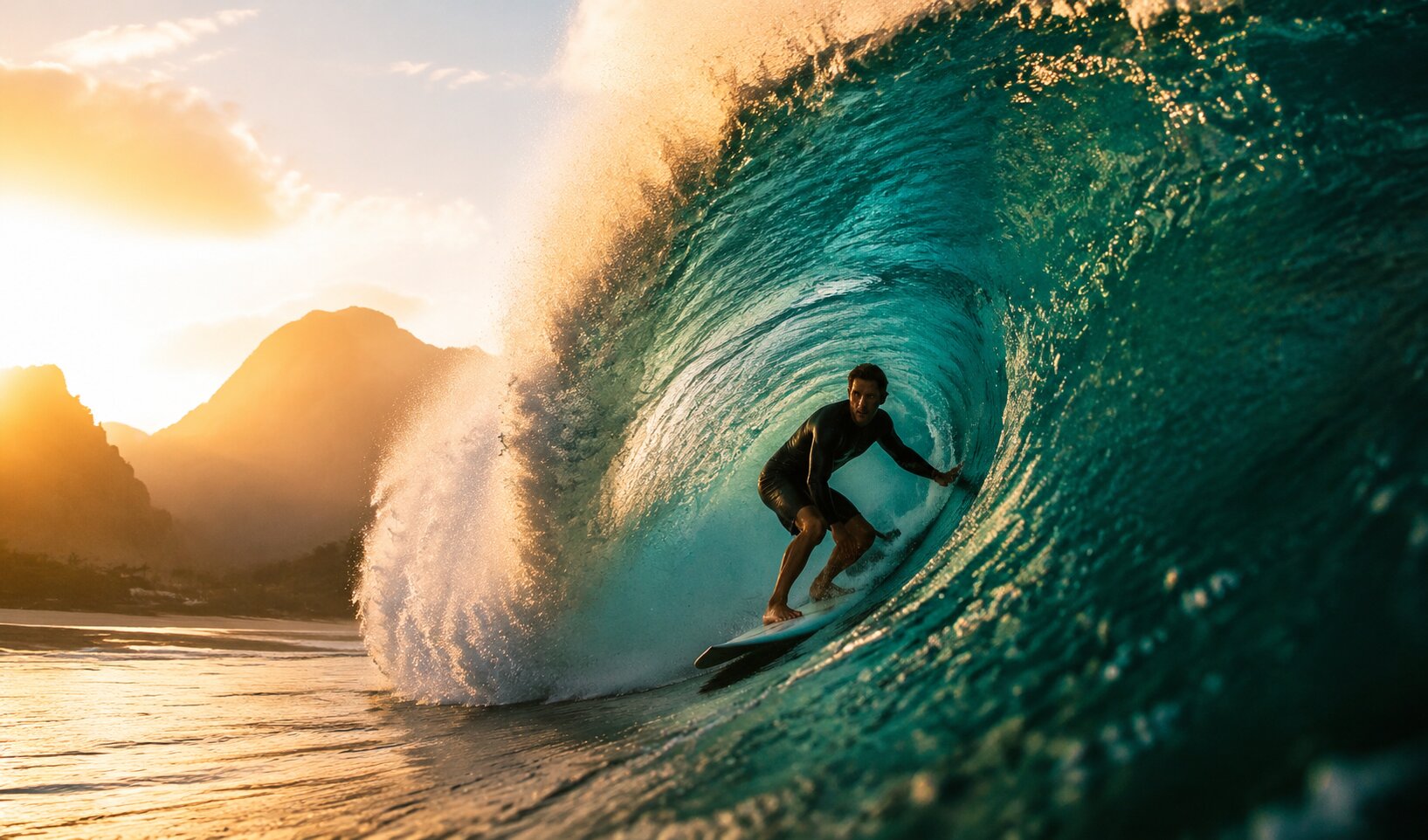
Imagine standing on a 60-foot wave or preparing to ski down a dangerous mountain slope. In such moments, one mistake can be fatal. Yet extreme athletes often perform with incredible speed, calmness, and precision.
In The Rise of Superman, Steven Kotler explains that these athletes are not born superhuman. They have learned to enter a powerful mental state called flow.
1. What Is Flow?
Flow is a state in which you are completely focused on what you are doing.
When you are in flow:
- Time seems to slow down or disappear.
- Self-doubt becomes quiet.
- You stop overthinking.
- Your actions feel natural and automatic.
- You perform at your best.
Psychologist Mihaly Csikszentmihalyi first popularized the idea of flow. Kotler explains how extreme athletes experience it often because their environment demands total attention.
A big-wave surfer cannot worry about an argument from yesterday. A climber cannot think about tomorrow’s bills. Their full attention must be on the next move.
2. Why Extreme Athletes Perform So Well
Kotler calls extreme sports athletes a kind of laboratory for understanding human performance.
They regularly face situations that require:
- Complete focus.
- Fast decision-making.
- Clear goals.
- Immediate feedback.
- High levels of challenge.
When the stakes are high, the brain is pushed into the present moment. Fear can become focus.
3. What Happens in the Brain During Flow?
Normally, the prefrontal cortex helps us analyze, judge, doubt, and control our behavior. But during flow, parts of this area temporarily become less active. Kotler calls this transient hypofrontality.
This can produce powerful effects:
- The inner critic becomes quieter.
You stop constantly judging yourself and hesitating. - Reaction time improves.
You respond more quickly because you are not overthinking every move. - Pattern recognition improves.
Your brain notices connections and opportunities faster. - Learning becomes stronger.
Flow releases chemicals such as dopamine, norepinephrine, endorphins, anandamide, and serotonin, which can increase motivation, focus, and memory.
4. How Can You Create More Flow?
You do not need to surf enormous waves or jump from helicopters. You can create better conditions for flow in work, learning, business, or fitness.
Here are four useful triggers:
- Take on a meaningful challenge.
The task should stretch you, but not overwhelm you. If it is too easy, you get bored. If it is too difficult, you become anxious. - Set clear goals.
Know exactly what you want to accomplish in the next hour, day, or project. - Get immediate feedback.
Choose work where you can quickly see whether you are making progress, solving the problem, or improving. - Take intelligent risks.
Risk does not have to be physical. It can mean presenting a bold idea, learning a difficult skill, starting a business, or taking on a project that matters to you.
The Main Lesson
The Rise of Superman changes the way we think about human potential. It suggests that exceptional performance is not only about talent, luck, or working harder.
It is also about learning how to focus deeply, embrace the right level of challenge, and enter flow.
The real question is not, “Am I naturally extraordinary?”
It is: “What could I do if I learned to operate at my best more often?”